September 24, 2026
Exhaust extraction systems are indispensable in ensuring safety and compliance in a variety of environments. These systems play a pivotal role in eliminating harmful fumes and gases, protecting the health of people, and maintaining air quality. When contemplating the installation of a new system or upgrading an existing one, it is essential to be well-informed. Considerations should include understanding the available types, operational principles, installation requirements, performance evaluation, maintenance needs, and safety implications. By making informed decisions, stakeholders can achieve optimal solutions that enhance safety, efficiency, and regulatory adherence.
1. What Types of Exhaust Extraction Systems Are Available?
1.1 Local Exhaust Ventilation (LEV)
Local Exhaust Ventilation (LEV) systems are designed to capture contaminants at or near the source, preventing them from entering the broader workspace. These systems are particularly effective in situations where specific, hazardous processes are conducted in confined areas. LEV systems usually consist of a hood, ducting, an air cleaning device, and an exhaust fan. By targeting emissions right at the source, LEVs help maintain air quality throughout a facility. Their localized approach minimizes the volume of air that must be moved, increasing efficiency and reducing energy costs.
1.2 General Dilution Ventilation
General Dilution Ventilation is a system where air is continuously mixed with fresh air, reducing the concentration of airborne contaminants. Unlike LEV, it doesn't focus on capturing emissions at the source but dilutes and removes contaminants across the entire space. This system is ideal for situations where contaminants are not highly concentrated or localized. Effective integration requires well-designed air distribution systems to ensure thorough mixing. However, it may not be suitable for controlling highly toxic substances due to the inability to isolate and remove them efficiently.
1.3 Portable Exhaust Systems
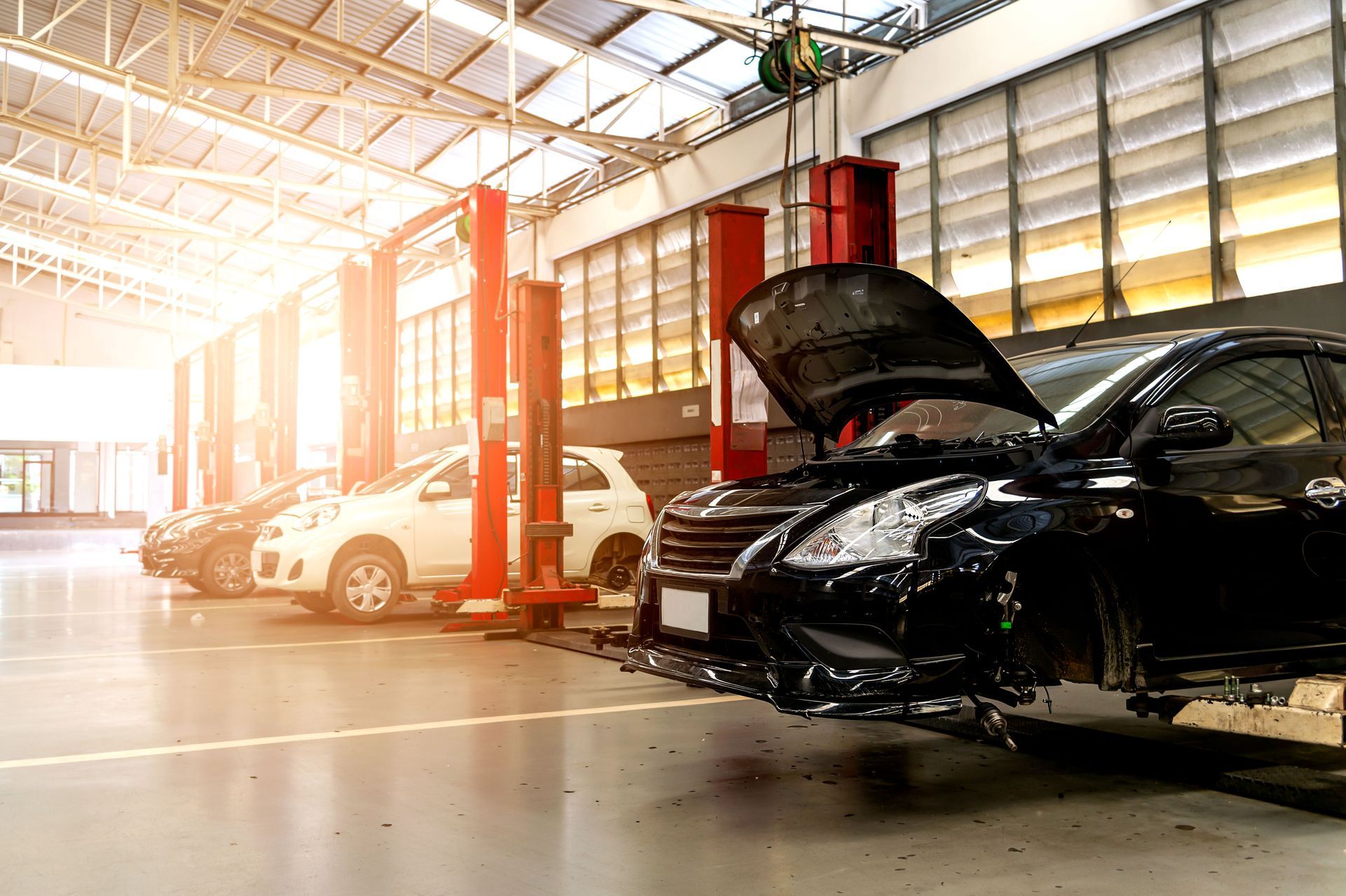
Portable exhaust systems offer flexibility and mobility, making them an attractive option for facilities with changing layouts or temporary workstations. These systems are self-contained, allowing operators to capture fumes at various locations without extensive installation efforts. They are typically used in industries like automotive repair, where work environments are dynamic. Being portable, they offer the advantage of adaptability to various tasks and locations. Despite their convenience, portable systems must be regularly maintained to ensure optimal performance and safety.
1.4 Centralized Systems
Centralized exhaust systems are designed to serve entire facilities or large zones within them. These systems feature a network of ducts connected to a single or multiple large fans and air cleaning units, efficiently removing contaminants on a broad scale. Centralized systems are often used in manufacturing plants or larger facilities that require consistent and reliable air quality control across extensive areas. They provide enhanced control and can be cost-effective for large applications, allowing centralized maintenance and monitoring. However, the complexity and upfront installation costs of centralized systems can be significant.
2. How Do Exhaust Extraction Systems Work?
2.1 Basic Principles of Operation
At the core, exhaust extraction systems operate by pulling contaminated air from a workspace and expelling it outdoors or filtering it before recirculating. The fundamental principle involves creating a negative pressure around the contamination source, which directs harmful gases and particles into a filtration system. Fans or blowers are typically used to generate the necessary airflow. The effectiveness of these systems hinges on their ability to capture pollutants efficiently and prevent their spread through the air. Understanding these basic operations is crucial for implementing a system that meets specific industrial needs.
2.2 Key Components
Every exhaust extraction system consists of several critical components: extraction hoods, ductwork, air filtration or cleaning units, and exhaust fans. Extraction hoods capture pollutants at the source before they're conducted through ductwork away from the workspace area. The ducting should be properly designed to minimize resistance and optimize airflow. Air filtration units serve to remove harmful substances from the air before it's released or recirculated. Finally, exhaust fans are the powerhouse that maintains airflow throughout the system. The efficiency of each component greatly impacts the overall effectiveness of the system.
2.3 Maintenance and Monitoring
Regular maintenance and monitoring are essential for the longevity and effectiveness of exhaust extraction systems. From regular filter changes to system inspections, proactive care can prevent costly repairs and downtime. Monitoring systems are often included to track performance metrics such as airflow rates and pressure differentials. Early detection of issues like blockages or system inefficiency can prevent failure and maintain safety and compliance standards. With technological advancements, some systems offer automated monitoring reports to assist facility managers in maintaining optimal performance.
3. What Are the Key Considerations for Installation?
3.1 Site Evaluation
A thorough site evaluation is the first step towards a successful exhaust extraction system installation. Engineers need to assess the layout, existing infrastructure, and specific needs of the facility. Attention should also be paid to factors such as climate, local building codes, and potential obstacles. Understanding the unique characteristics of the environment ensures that the chosen system aligns with operational demands and safety requirements. Having a detailed plan reduces unforeseen challenges and potential installation delays.
3.2 System Placement and Design
Strategic placement and design are crucial for the effectiveness of exhaust extraction systems. Placement affects how well contaminants are captured and the overall efficiency of the system. Proper design must account for space constraints, noise levels, and integration with existing HVAC systems. Engineers should aim to minimize duct lengths and bends to reduce resistance and improve airflow. The ultimate goal is a system that effectively captures and removes contaminants with minimal disruption to facility operations.
3.3 Regulatory Compliance
Compliance with local, national, and industry-specific regulations is non-negotiable when installing exhaust extraction systems. Regulations can dictate everything from emission limits to acceptable noise levels and system efficiency standards. Keeping abreast of developing standards helps avoid costly modifications and penalties. It's advisable to work with a knowledgeable consultant or contractor experienced in regulatory compliance. Ensuring adherence not only avoids legal troubles but often leads to more efficient and safer operations.
4. How to Evaluate System Performance and Efficiency?
4.1 Performance Metrics
Performance metrics are critical in assessing the efficacy of exhaust systems. Key indicators include airflow rates, contamination levels, and energy usage. Regular performance checks ensure the system functions as designed and meets air quality standards. While some metrics require specialized equipment for precise measurements, others can be continuously monitored using integrated system controls. Understanding and acting upon these metrics help maintain air quality and system integrity over the long term.
4.2 Energy Consumption
Considering energy consumption is vital in evaluating the long-term feasibility of exhaust systems. Efficient systems are designed to minimize energy use without compromising performance. Variables such as fan efficiency, airflow dynamics, and filter design all contribute to overall energy consumption. High-performance systems often employ energy-saving technologies like variable speed fans and smart monitoring systems. Balancing efficiency with energy conservation helps reduce operational costs.
4.3 System Longevity and Reliability
The longevity and reliability of an exhaust system influence both usability and economic value. Long-lasting systems minimize downtime and repair costs, contributing to better investment returns. Regular maintenance schedules and high-quality components are the backbones of a reliable system. Continuous monitoring and upgrading of outdated parts ensure the system's longevity. According to Intel Market Research, the Global Garage Exhaust Extraction System market size was valued at $748 million in 2024, highlighting the increasing investments in reliable systems.
Understanding the capabilities and considerations of exhaust extraction systems is essential for maintaining a safe and productive environment. By asking detailed questions and thoroughly evaluating these systems, stakeholders can ensure they select and maintain an effective solution tailored to their specific needs. Investing in the right exhaust extraction technology ultimately supports health, safety, and efficiency in any industrial or commercial setting. Effective systems promote not only regulatory compliance but also foster a healthier atmosphere for employees. If you're looking for dependable exhaust extraction systems, contact Harvey Industries, Inc today!