August 14, 2026
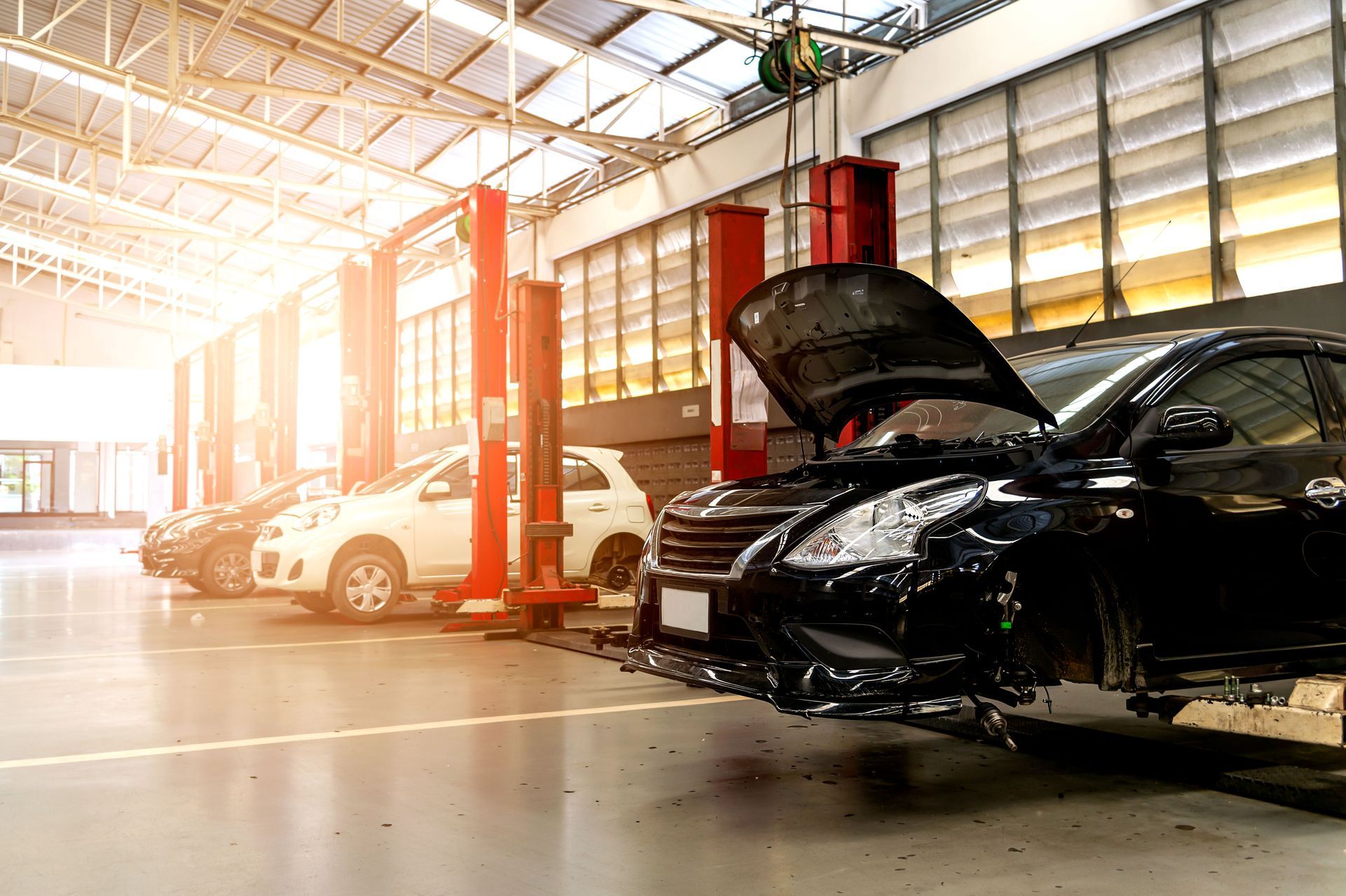
Vehicle service facilities are essential for maintaining automobiles, yet they pose significant health risks due to exhaust emissions. This article explores how vehicle exhaust extraction systems enhance safety and protect workers in these environments. Addressing the invisible, yet pervasive threats posed by vehicle exhaust is crucial for maintaining a healthy workplace. With advancements in exhaust extraction technology, service facilities can now mitigate the risks associated with prolonged exposure to these harmful emissions. As awareness grows, the adoption of these systems is increasingly seen as a vital component of operational excellence in the automotive service industry.
Understanding Vehicle Emissions in Service Facilities
The Composition of Vehicle Exhaust
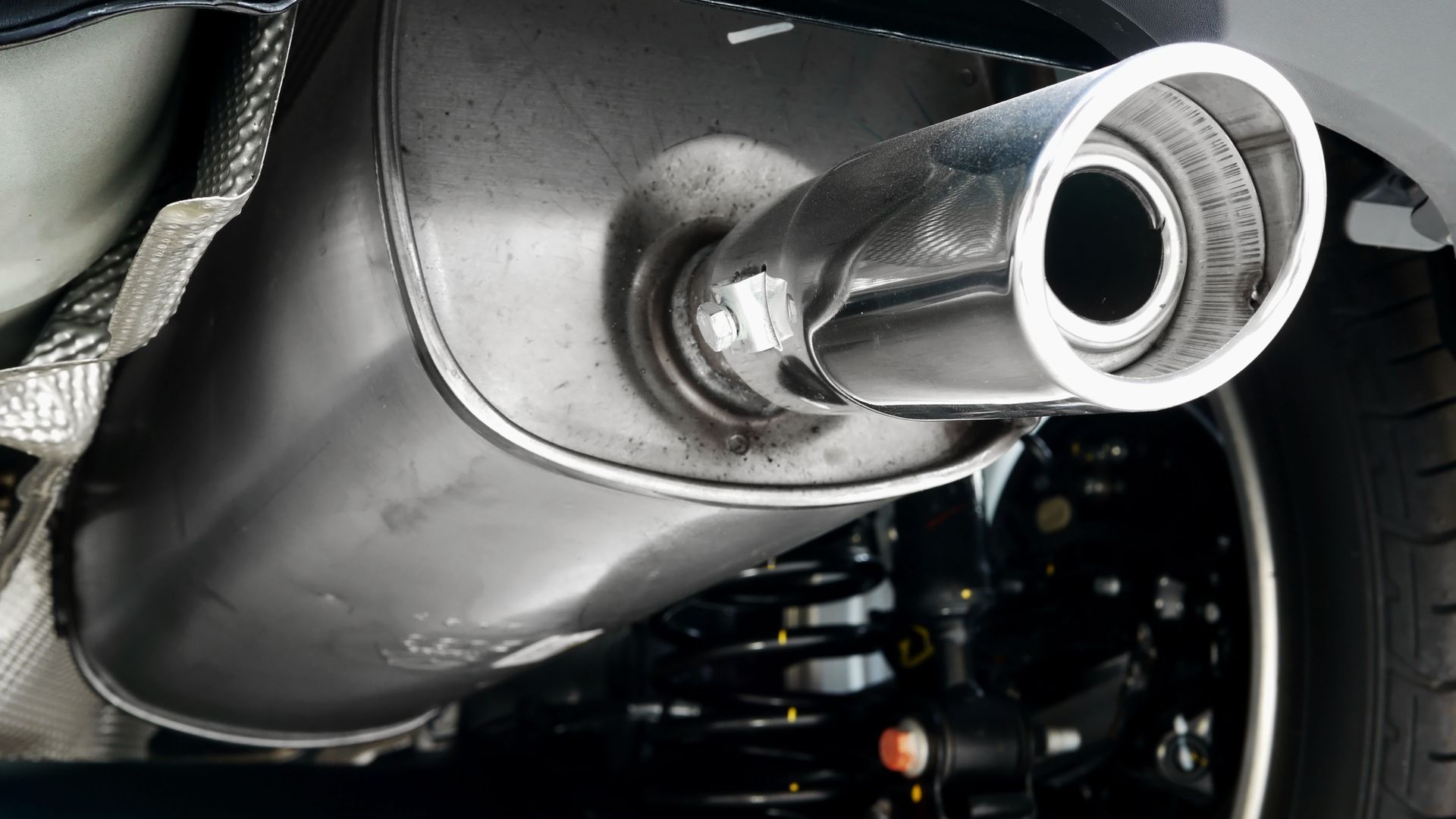
Vehicle exhaust is a complex mixture of gases and particles, with significant implications for air quality. The primary components include carbon monoxide (CO), hydrocarbons (HC), and nitrogen oxides (NOx), all of which have harmful effects on both human health and the environment. Carbon monoxide is a colorless and odorless gas that can be lethal when inhaled in large quantities, causing dizziness and headaches even at low levels. Hydrocarbons are responsible for forming ground-level ozone, contributing to respiratory problems and other health issues. Nitrogen oxides play a key role in generating smog and acid rain, worsening air quality, and causing health and environmental challenges.
According to Research Nester, the transportation sector produces approximately 29% of total greenhouse gas emissions in the United States, driving continuous regulatory focus on vehicle exhaust emission controls. Service facilities, serving as a microcosm of the broader emissions challenge, must be proactive in mitigating their own contributions to these statistics. Given the variety and the quantities of emissions in a confined space, understanding the exact composition of these emissions is critical for developing efficient and effective extraction strategies. Systematic analysis of exhaust gases can aid in the design of tailored extraction systems that target specific pollutants, optimizing the safety and health outcomes for facility workers.
Modern advancements in sensor technologies now enable real-time monitoring of exhaust composition, facilitating dynamic management approaches. Facilities equipped with such monitoring systems can transition from reactive to proactive health and safety management. By understanding the composition of vehicle exhaust, service facilities can not only improve their internal environment but also contribute to broader environmental stewardship goals. Detailed knowledge aids in customizing filtration and ventilation solutions to specific facility needs, ensuring that health risks are minimized for all personnel. This comprehensive understanding forms the bedrock upon which service facilities can build robust safety protocols.
The Health Risks of Prolonged Exposure
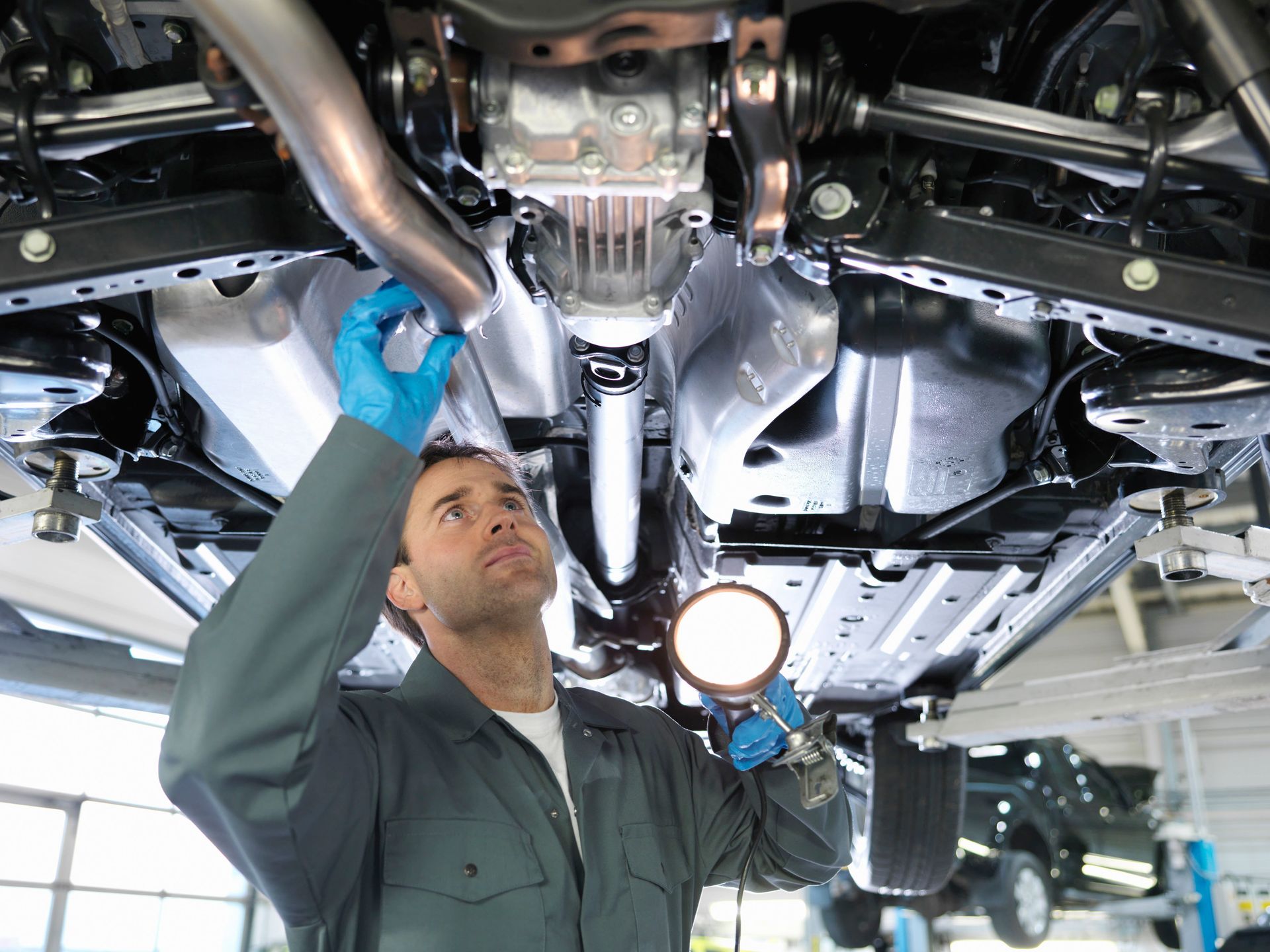
Workers in service facilities face substantial health risks if exposed to vehicle exhaust without proper ventilation or extraction systems in place. Short-term exposure to vehicle exhaust can cause symptoms such as headaches, dizziness, and irritation of the eyes and respiratory tract. Prolonged exposure, however, poses more severe risks, including chronic respiratory diseases, cardiovascular issues, and even increased mortality rates. The cumulative effects of working in environments with poor air quality underscore the urgent need for effective exhaust management solutions. Employers have a responsibility to implement practices that protect employees from these serious health consequences.
As the transportation sector, a significant contributor to emissions, is subjected to rigorous scrutiny, service facilities must align with stringent health regulations to protect their workforce. Safe work environments are critical, as they reduce absenteeism and enhance productivity, reflecting positively on the business's bottom line. Deploying comprehensive vehicle exhaust extraction systems can significantly ameliorate the indoor air quality, directly impacting employees' health outcomes. These systems protect workers by capturing and removing harmful emissions before they reach dangerous concentration levels. Therefore, ensuring worker safety necessitates a combination of technological solutions and policy adherence.
Beyond the immediate health implications, poor air quality can exacerbate existing conditions, leading to increased healthcare costs and reduced worker satisfaction. Respiratory conditions such as asthma can have severe ramifications among the workforce if exhaust gases are not properly managed. Institutions need to focus on creating an environment where employees can work without fear of health repercussions. Employee well-being translates into higher productivity, lower turnover, and a more committed workforce. Health-centric practices, driven by efficient exhaust management, must remain a fundamental priority within service facilities.
Impact on Environmental Air Quality
Vehicle exhaust emissions have far-reaching impacts, extending beyond human health to environmental air quality. In service facilities, where vehicle operations are frequent, emissions can quickly degrade indoor air quality. This deterioration not only affects employees but also equipment within the facility, leading to operational inefficiencies and increased maintenance costs. Poor indoor air quality can result in the accumulation of particulate matter, which may damage sensitive machinery, leading to additional financial burdens. Effective vehicle exhaust extraction systems can mitigate these effects, preserving both the air quality and the longevity of the facility’s infrastructure.
Particulate matter from exhaust deposits itself on surfaces, further complicating facility maintenance and hygiene efforts. Ineffective management of these pollutants can also result in regulatory repercussions if environmental standards are not met. High-quality air is an essential resource for both human and electronic components within the facility, ensuring optimal performance and longevity. By proactively managing air quality, service facilities not only protect internal resources but also contribute to the broader goal of environmental sustainability. This dual focus underscores the importance of integrating comprehensive exhaust extraction practices into everyday operations.
Environmental regulations are increasingly emphasizing the reduction of air pollutants, making the deployment of effective vehicle exhaust extraction systems both a compliance requirement and a competitive advantage. Facilities that can demonstrate a commitment to environmental stewardship often find themselves in better standing with regulators and the public. These practices not only comply with legal obligations but also offer reputational benefits, underscoring a company's commitment to sustainable operations. The environmental aspect of vehicle exhaust extraction systems cannot be overstated, as it forms a critical component of broader corporate responsibility endeavors. Maintaining a sustainable facility aligns with the ethical responsibilities of businesses towards the environment and people.
The Mechanism of Vehicle Exhaust Extraction Systems
System Design and Components
Vehicle exhaust extraction systems are sophisticated in design, composed of several critical components specifically engineered to efficiently manage emissions. The system's primary components include flexible hoses, powerful fans, and interconnecting ductwork, all working in unison to capture and ventilate exhaust away from the workspace. Flexible hoses are tailored to different vehicle types and can be adjusted to ensure that emissions are captured directly at the source. These hoses guide harmful gases into the ductwork, effectively channeling them toward fans, which propel the contaminants out of the facility. This coordinated design underpins the effectiveness of exhaust extraction systems in maintaining air quality.
Each component of the exhaust extraction system plays an integral role in ensuring the system's overall effectiveness in managing emissions. The fans are specifically engineered for high airflow, enabling them to efficiently transport large volumes of air while removing pollutants. These systems are designed to accommodate the high-frequency operations typical of service facilities, ensuring minimal disruption to workflow while optimizing air quality management. High-capacity fans and robust ductwork ensure that emissions are removed promptly, preventing accumulation within the facility. Therefore, the integration of these components facilitates a seamless operation, enhancing both safety and operational efficiency.
Beyond immediate health benefits, the presence of effective exhaust extraction systems contributes to an overall culture of safety within service facilities. Workers gain confidence that their well-being is prioritized, enhancing job satisfaction and employee morale. This confidence extends to increasingly stringent regulatory compliance, assuring workers that the environment meets the highest safety standards. Effective exhaust management contributes to a holistic safety strategy, further elevating worker protection. This in turn fosters an environment of mutual trust between employers and employees, underpinned by a shared commitment to maintaining health and safety. Call Harvey Industries, Inc today to learn more.