June 13, 2026
The air we breathe within industrial facilities, automotive repair shops, and manufacturing plants is often loaded with invisible hazards. Vehicle tailpipes, welding torches, and manufacturing machinery constantly release a cocktail of toxic gases, heavy metals, and microscopic particulate matter into the surrounding atmosphere. Without intervention, these airborne contaminants settle into the lungs of workers, leading to severe short-term respiratory irritation and debilitating long-term chronic illnesses. To combat this hidden workplace hazard, facilities rely heavily on specialized ventilation setups designed to capture and eliminate fumes at their source. Implementing robust exhaust extraction systems is not merely a matter of checking a regulatory compliance box; it is a fundamental pillar of modern occupational health and operational efficiency. Understanding how exhaust extraction systems operate, why they are indispensable, and how to properly deploy them is critical for any facility manager aiming to maintain a safe, highly productive, and legally compliant working environment.
Assessing the Vital Need for Air Quality Control
The primary catalyst behind deploying industrial ventilation is the preservation of human health. When internal combustion engines idle indoors or industrial fabrication takes place, they discharge a dangerous slurry of carbon monoxide, nitrogen oxides, hydrocarbons, and unburnt fuel particles. Inhaling these substances over extended periods drastically increases the risk of cardiovascular disease, asthma, and various forms of cancer. Beyond the obvious medical implications, poor indoor air quality takes a heavy toll on daily business operations. Employees working in hazy, fumes-choked environments experience higher rates of fatigue, headaches, and absenteeism, which directly translates to plummeting productivity levels and diminished workplace morale.
Furthermore, failing to manage indoor air quality carries steep legal and financial consequences. Regulatory bodies across the globe, such as the Occupational Safety and Health Administration (OSHA), enforce strict permissible exposure limits for airborne contaminants. If a facility is found to be operating outside of these legally mandated parameters, it can face astronomical fines, forced operational shutdowns, and catastrophic liability lawsuits. Investing in high-quality exhaust extraction systems serves as a powerful shield against these operational risks. By continuously pulling contaminated air away from the breathing zone, these mechanisms ensure that businesses remain firmly in alignment with national safety standards while demonstrating a genuine commitment to workforce well-being.
Understanding the Essential Workings of Ventilation Mechanisms
To appreciate the value of localized ventilation, one must understand how these intricate configurations handle polluted air. At its core, an industrial ventilation setup functions via a coordinated sequence of capture, transport, and filtration. The process begins at the source of the emission, where an intake hood, extraction arm, or tailpipe nozzle creates a localized zone of negative pressure. This negative pressure draws the contaminated air into the ductwork immediately as it is generated, preventing the toxic plumes from migrating across the open shop floor and mixing with the general ambient atmosphere.
Once the fumes enter the system, they travel through a strategically designed network of ductwork. This transport phase requires precise aerodynamic engineering to ensure that the airflow velocity remains high enough to keep heavy particulate matter suspended within the stream without causing excessive friction losses or energy waste. Finally, the air reaches the filtration and discharge unit. Depending on the specific application, the air may pass through high-efficiency particulate air (HEPA) filters, activated carbon beds to neutralize volatile organic compounds, or mechanical separators before the cleaned air is either safely recirculated or vented out into the external atmosphere.
Recognizing the Diverse Applications Across Key Industries
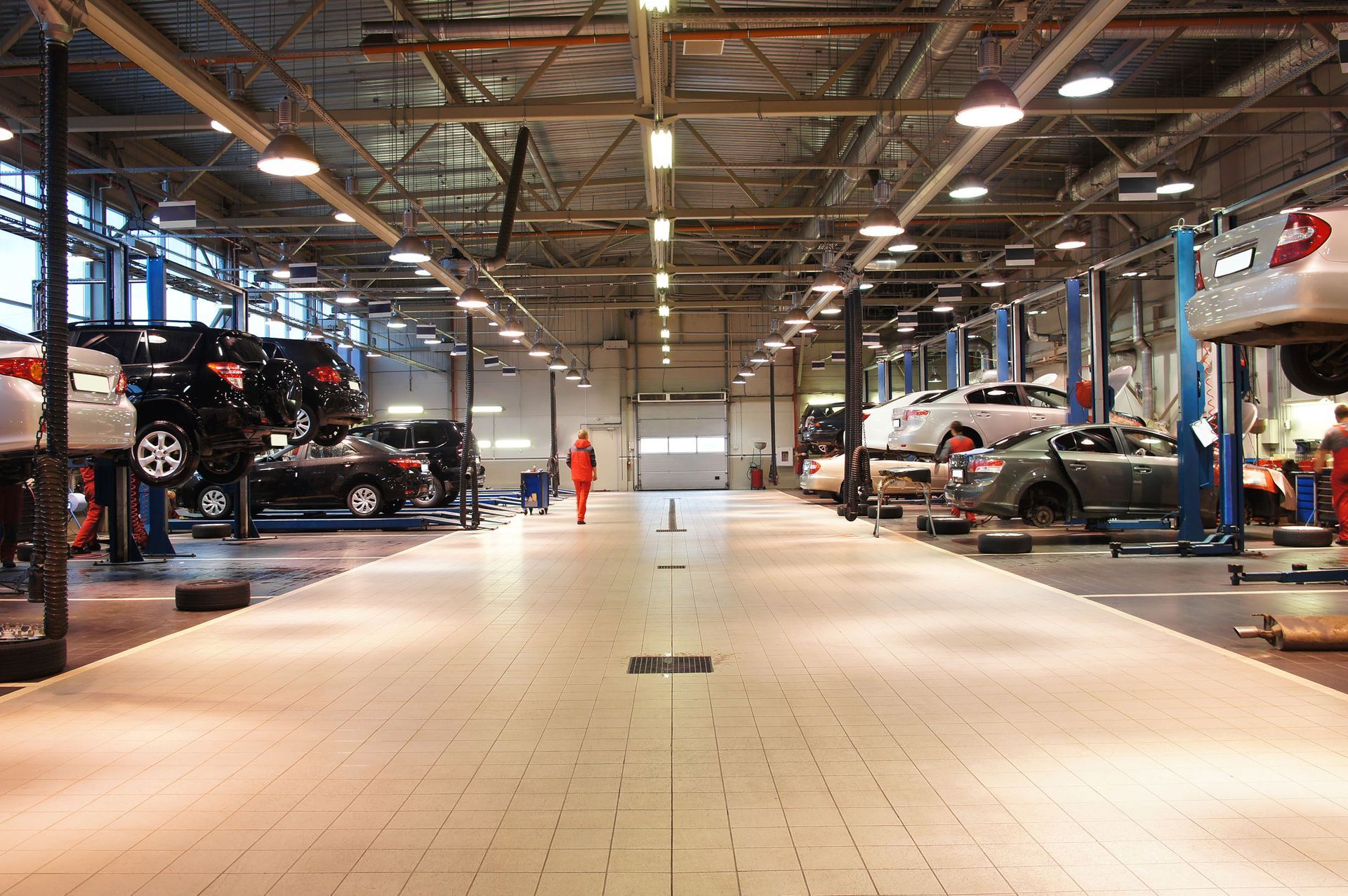
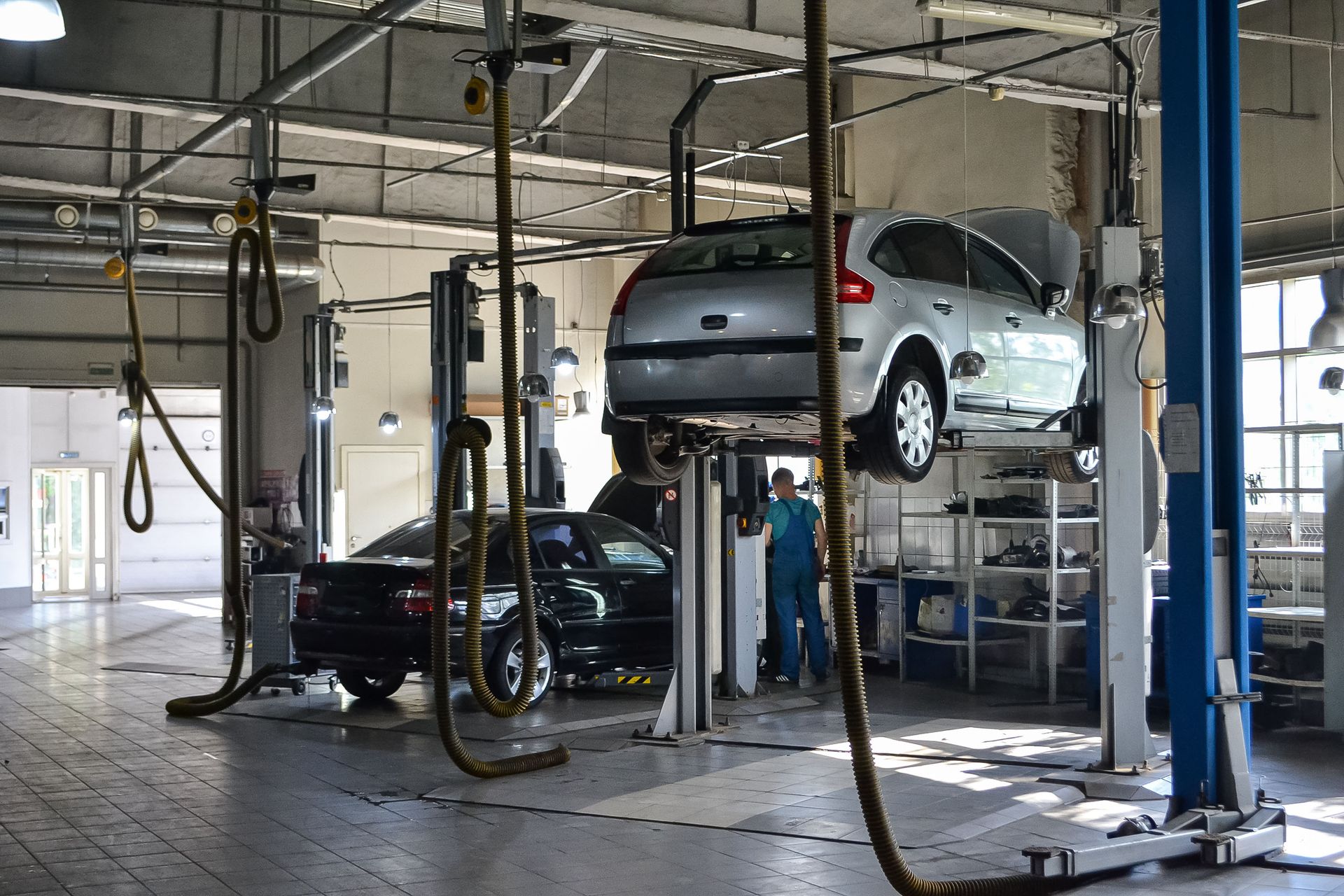
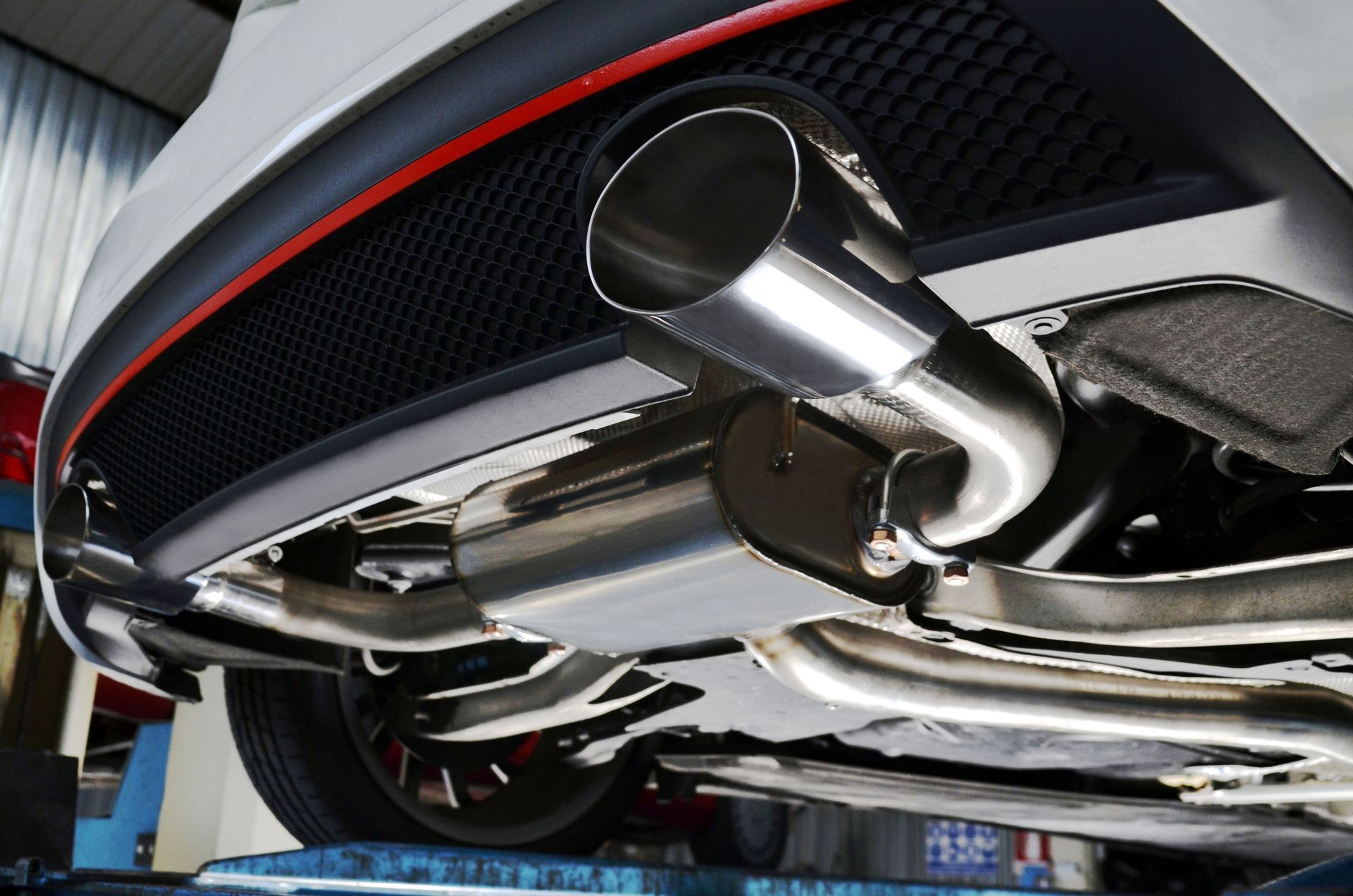
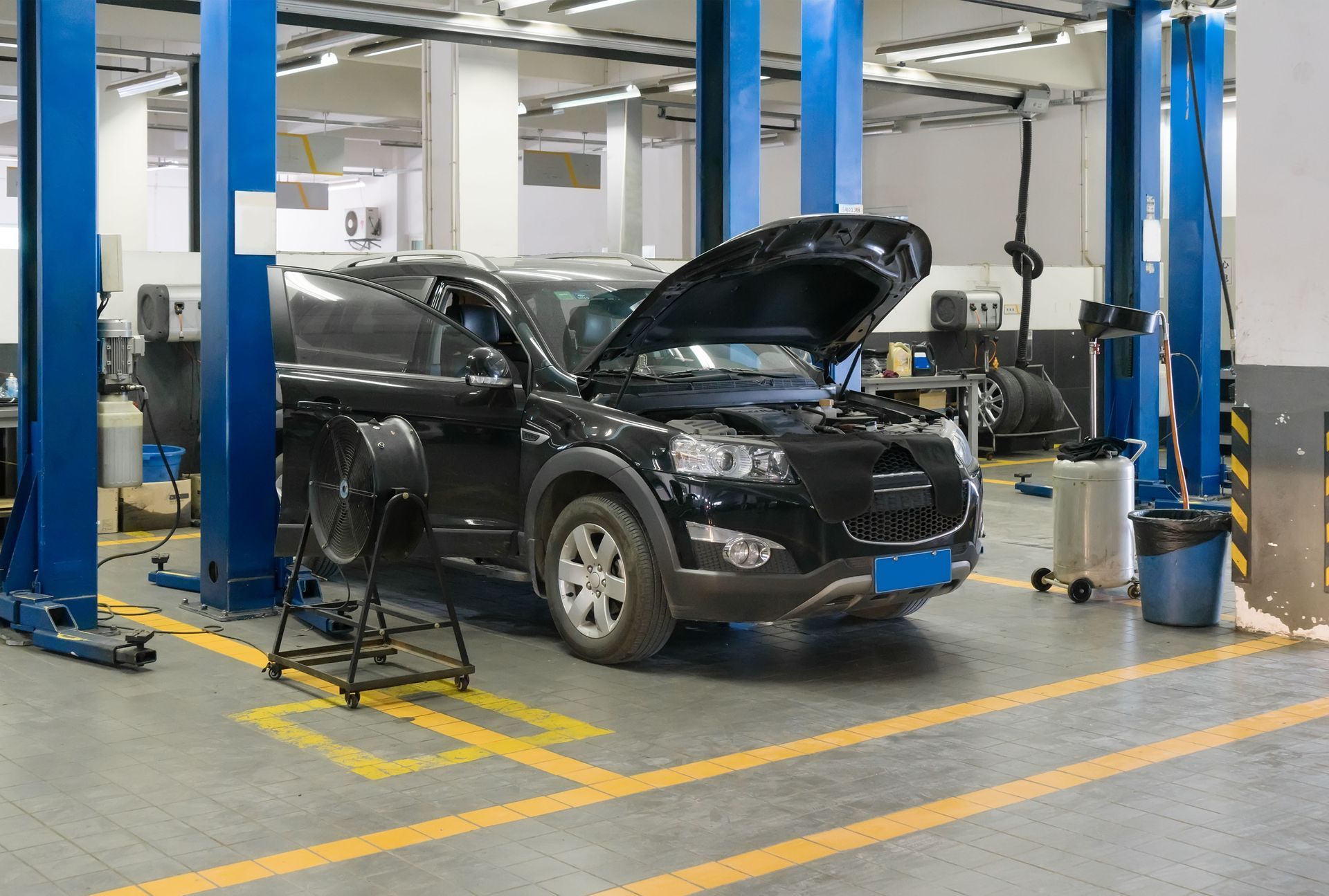
Industrial ventilation setups are never a one-size-fits-all product; rather, they are highly specialized machines engineered to meet the unique challenges of specific industrial sectors. In the automotive repair and fleet maintenance sector, for instance, overhead drop-down hoses and underfloor spring-recycled reels are utilized to connect directly to vehicle tailpipes. This direct connection is vital because modern diesel and gasoline engines release high volumes of fine soot. According to Ecology, new heavy-duty vehicle tailpipe emission standards, when fully implemented in certain regions, are expected to reduce particulate emissions by about 60% compared to earlier standards. Even with cleaner vehicle manufacturing, localized extraction remains mandatory to catch the remaining 40% of concentrated particulate matter that accumulates in enclosed service bays during diagnostic testing.
In the welding and metal fabrication sectors, the focus shifts toward capturing hazardous metallurgical fumes, such as hexavalent chromium and manganese. For these tasks, operators utilize flexible, articulated source capture arms that can be manually positioned directly over the weld joint as the technician works. In larger manufacturing environments, such as chemical processing plants or commercial print shops, facilities rely on fixed canopy hoods or complete physical enclosures. These expansive installations are designed to manage large volumes of gaseous chemical vapors and volatile organic compounds, ensuring that hazardous chemical clouds never drift into adjacent production zones or common areas.
Identifying the Strategic Benefits of Localized Fume Removal
Implementing localized source capture provides a massive array of operational advantages that extend far beyond basic health compliance. One of the most significant benefits is the preservation of expensive machinery and facilities. Airborne dust, metallic particles, and oily residues do not just stay in the air; they eventually settle onto electronic control panels, precision CNC components, and structural surfaces. Over time, this abrasive accumulation causes premature equipment wear, electronic short circuits, and a highly flammable layer of grime across the building. By deploying target-specific exhaust extraction systems, you capture these destructive elements at the point of origin, keeping your facility clean and safeguarding your capital investments from premature degradation.
Additionally, localized extraction yields substantial savings on facility energy expenditures. Traditional general ventilation strategies rely on massive HVAC units to completely flush out and replace all the air within a building multiple times per hour to dilute contaminants. This practice wastes an enormous amount of energy, as the building must constantly heat or cool fresh outdoor air. Localized source capture mechanisms, by contrast, only target the small, highly concentrated pockets of polluted air. This precision allows the facility to achieve superior air purity levels while moving a fraction of the total air volume, keeping utility bills low and significantly lowering the building's overall carbon footprint.
Partnering With Ventilation Specialists
Because designing and installing industrial air filtration equipment involves intricate principles of fluid dynamics, physics, and strict regulatory compliance, trying to tackle these projects through casual DIY methods frequently leads to costly system failures. An improperly balanced ventilation setup can create dangerous backdrafts, pull toxic carbon monoxide from heating appliances directly into worker areas, or simply fail to capture the targeted fumes due to inadequate static pressure calculations. To avoid these hazardous pitfalls, working with seasoned ventilation professionals is absolutely paramount to guaranteeing the safety of your personnel and the legality of your operation.
Industrial hygiene and ventilation engineers bring specialized diagnostic tools, advanced fluid dynamics software, and decades of practical code experience to the table. When designing custom exhaust extraction systems, these specialists carefully audit your facility's precise dimensions, machinery layouts, and chemical usage profiles. They ensure that every hood shape, duct diameter, elbow angle, and blower motor size is mathematically optimized to deliver maximum capture efficiency with the lowest possible energy draw. Furthermore, professional installation technicians possess a deep understanding of fire safety codes, explosive dust mitigation protocols, and environmental discharge permits, giving facility owners total peace of mind that their system is fully compliant, structurally sound, and built to last.
Maintaining clean indoor air is a continuous, dynamic responsibility that requires the right equipment, consistent maintenance, and a thorough understanding of industrial airflow principles. By committing to high-performance exhaust extraction systems, you actively protect the physical well-being of your workforce, maximize the functional lifespan of your machinery, and insulate your business from costly regulatory penalties. In the modern industrial landscape, clean air is no longer a luxury—it is an absolute prerequisite for sustainable business success.
Do not leave the air quality of your facility to chance or guesswork. At Harvey Industries, Inc, we specialize in engineering, manufacturing, and installing state-of-the-art ventilation solutions tailored to meet the exact demands of your unique operational environment. Our experienced team of industry professionals will guide you through every stage of the process, from initial site evaluation and custom aerodynamic design to final structural installation and system balancing. Reach out to us today for quality exhaust extraction systems, and let us help you build a cleaner, safer, and far more productive workspace for your entire team.