July 27, 2026
Operating a busy commercial workshop or industrial facility requires managing a variety of daily physical demands. While business owners spend significant time organizing shop tools, scheduling labor, and maintaining heavy machinery, the invisible quality of the indoor air deserves equal attention. Enclosed commercial spaces naturally trap airborne contaminants, creating a hazy environment that can quickly settle on tools and clothing. When vehicles idle indoors, or production machinery runs continuously, toxic gases can build up rapidly within the building envelope. Utilizing a specialized exhaust extraction system helps keep the workspace safe by capturing contaminants immediately at the source.
Supporting Automotive Repair Shops
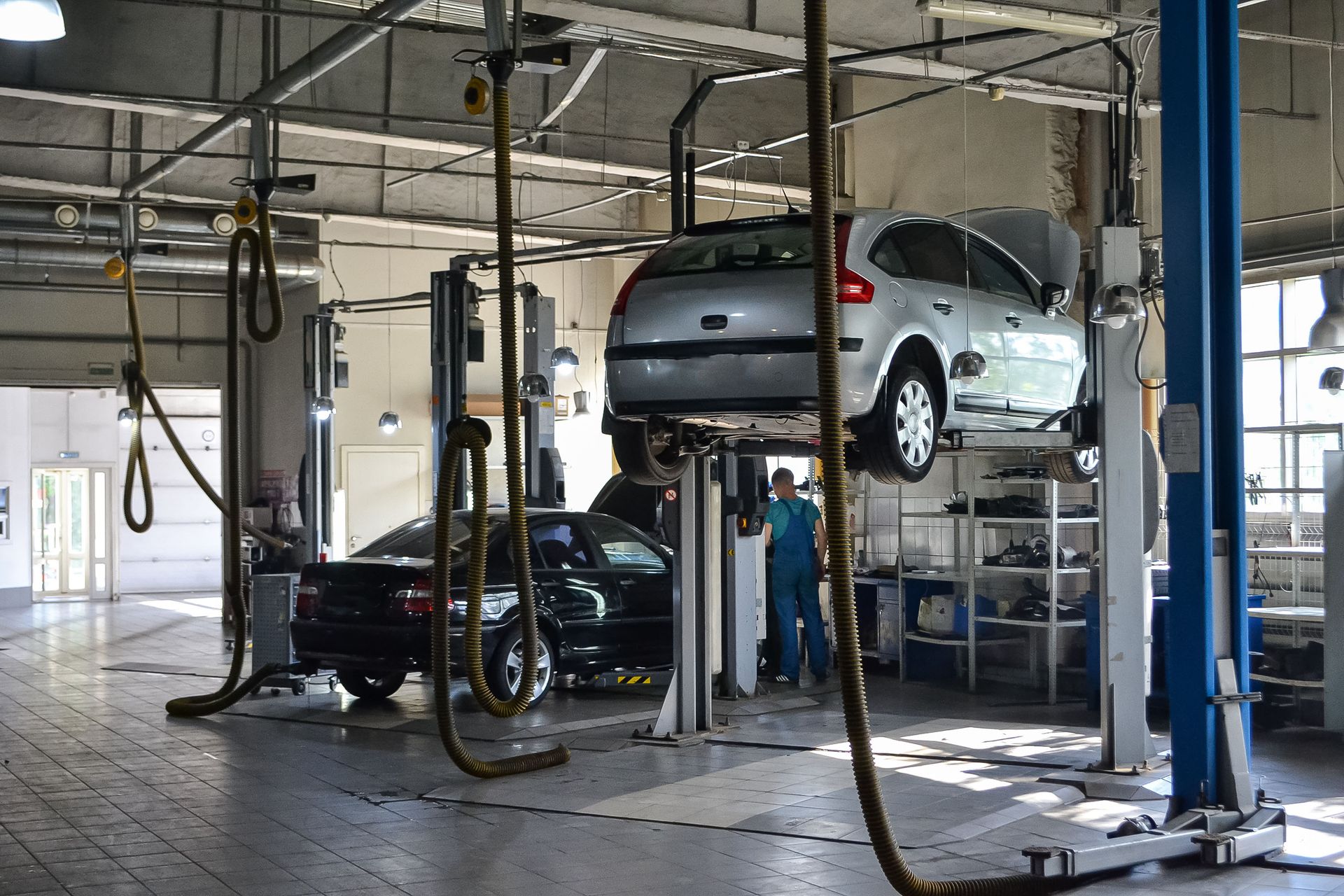
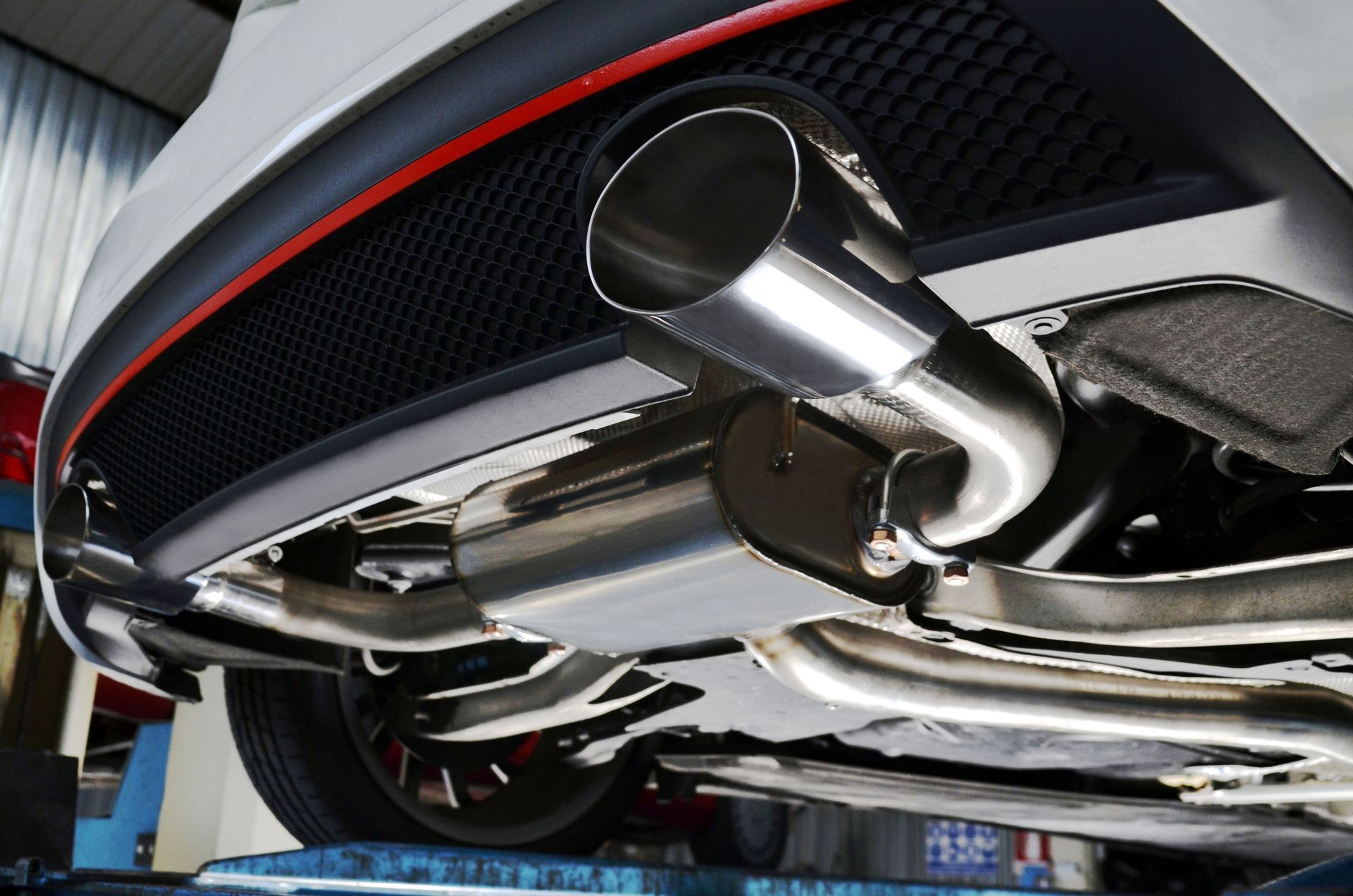
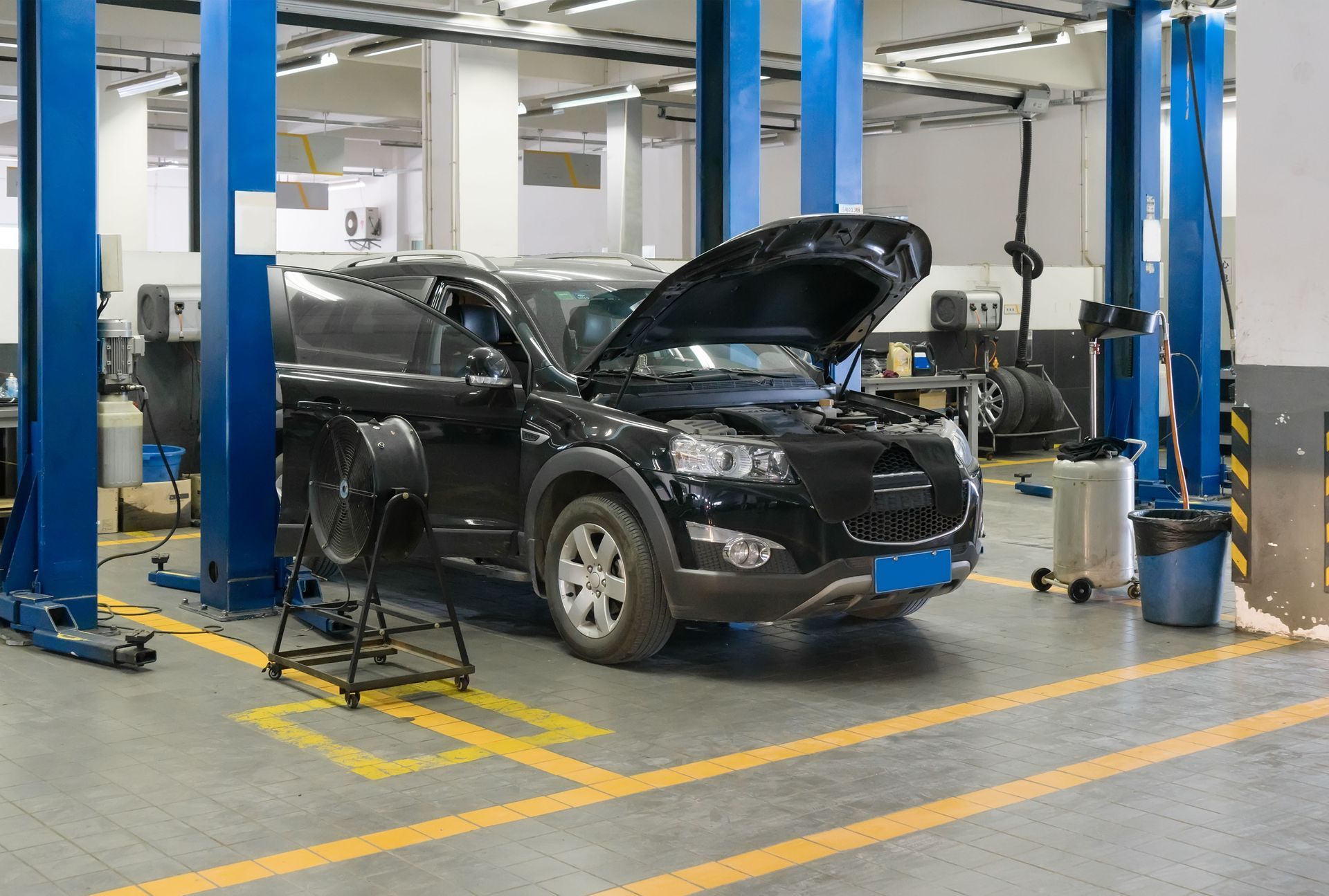
Automotive dealerships, independent repair garages, and transmission shops must run vehicle engines indoors to perform accurate diagnostics and tune-ups. When a car or truck runs inside an enclosed service bay, the tailpipe releases an immediate stream of invisible hazards. According to a 2025 report by the American Lung Association focusing on national air quality, more than 156 million individuals across the country live in areas with unsafe levels of atmospheric pollution, pointing to engine exhaust from cars and trucks as a primary driver of toxic microscopic particles and smog. A well-designed exhaust extraction system routes the fumes safely through an overhead or underfloor network directly to an outdoor blower fan. This physical removal process handles both standard gasoline engines and heavy-duty diesel trucks.
Enhancing Technician Safety
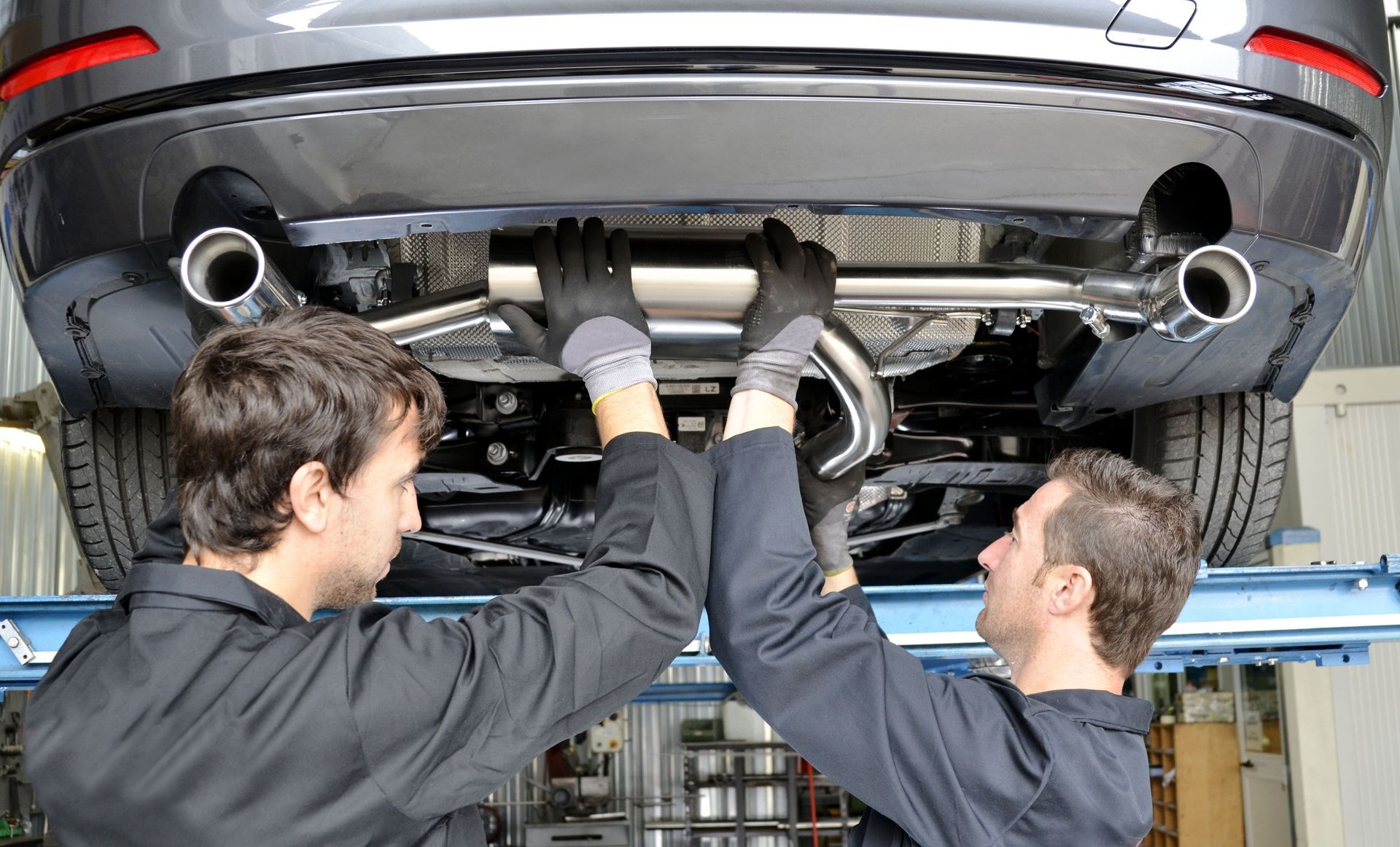
Mechanics and service technicians spend their entire workdays standing beneath vehicle chassis or leaning directly over open engine bays. Breathing in carbon monoxide and unburnt hydrocarbons can cause immediate physical fatigue, dizzy spells, and long-term respiratory strain. Installing flexible overhead hose drops or retractable hose reels keeps the active work floor tidy and completely clear of dangerous tripping hazards. Technicians can simply reach up, pull down the necessary hose segment, and secure it to the vehicle without struggling with heavy or awkward equipment.
Keeping the shop floor clear of loose clutter improves the overall workflow and allows technicians to move tool carts and vehicle lifts without obstruction. Spring-loaded hose reels automatically retract the flexible ducting up to the ceiling rafters when the work is complete, preserving valuable vertical clearance.
This organized layout prevents accidental vehicle damage from loose dangling hoses and ensures that every service bay remains fully functional. Providing a clean, breathable workspace demonstrates a strong commitment to professional shop standards and helps technicians maintain their focus during intricate repair tasks.
Safeguarding Industrial Manufacturing Plants
Metal fabrication facilities and industrial manufacturing plants encounter distinct air quality challenges due to the heavy nature of their production processes. Welding torches, plasma cutters, and grinding wheels produce a constant stream of hot metal smoke and fine airborne particulates. Utilizing an exhaust extraction system equipped with adjustable swinging arms allows operators to position a suction hood directly over their worktable. This layout captures the heavy welding smoke right at the source before it has a chance to rise and spread across the entire manufacturing floor.
The adjustable counterbalanced arms give fabrication workers complete freedom of movement around large metal weldments and structures. The suction hoods draw the intense smoke plume away from the welder's safety helmet, keeping their line of sight clear. This constant extraction prevents fine metallic dust from drifting through the shop and settling into the delicate internal components of expensive manufacturing machinery. Protecting your production assets from airborne dust reduces unexpected equipment downtime and helps maintain tight manufacturing tolerances.
Improving Building Ventilation
Relying on simple open windows or roof vents is rarely enough to clear out the dense smoke generated by continuous industrial manufacturing. Heavy manufacturing spaces require dedicated air turnover to pull industrial fumes away from multi-station assembly lines. Installing centralized rigid ductwork paired with high-capacity exhaust blowers ensures that heavy process fumes are consistently drawn outside. This setup prevents toxic smoke from settling on sensitive machinery, keeping your physical plant infrastructure cleaner and reducing the need for frequent building maintenance. Implementing an exhaust extraction system in these heavy production spaces creates a noticeably brighter and cleaner workplace.
A clean production floor improves overall visibility across the facility, allowing forklift operators and floor supervisors to navigate the space safely. Removing airborne oils and chemical vapors prevents the formation of slippery residues on concrete walkways, reducing slip-and-fall hazards for the workforce. Centralized duct networks can be routed along the ceiling structure to service multiple workstations simultaneously, providing a balanced and organized ventilation layout. Maintaining this structural cleanliness preserves the building interior and ensures a more comfortable environment for long production shifts.
Assisting Municipal Service Garage
Emergency response facilities and public safety buildings require specialized air management layouts due to the urgent nature of their daily operations. When an emergency call comes in, first responders must start up massive diesel fire engines and rescue trucks instantly inside enclosed apparatus bays. These large diesel engines release a heavy burst of black soot and particulate matter the moment the ignition turns over. This specific type of exhaust extraction system is essential for maintaining a healthy environment for first responders.
The collection hoses utilize quick-release mechanisms that attach securely to the vehicle's exhaust pipe while it sits parked in the bay. When the emergency vehicle accelerates out of the building, the hose guides along a track and detaches automatically at the threshold of the bay door. This automated mechanical disconnection ensures that the vehicle can depart without a single second of delay. Preventing diesel soot from accumulating inside the apparatus bay keeps turnout gear, clean tools, and nearby living quarters free from toxic film.
Managing Heavy Duty Machinery
Public works departments and municipal maintenance garages handle the upkeep of diverse vehicle fleets, including dump trucks, road graders, and school buses. These large utility vehicles require extended indoor idling times during routine brake inspections, hydraulic testing, and engine tuning. Installing heavy-duty sliding suction rails along the length of the workshop provides mechanics with excellent flexibility. The suction rails allow the extraction hose assembly to slide effortlessly from one bay to the next, adapting easily to different vehicle lengths and shop configurations.
This mobile setup allows a single ventilation system to service multiple work areas, maximizing the utility of the workshop floor. Underfloor exhaust systems provide an alternative configuration where the collection hoses store neatly beneath durable floor plugs when not in use. This underfloor layout keeps the shop floor completely level, allowing heavy track loaders and snowplows to maneuver through the garage doors without encountering overhead restrictions. Keeping these large-scale vehicle service centers well-ventilated ensures that public infrastructure maintenance moves forward without interruption.
Every commercial structure features a distinct floor plan, varying ceiling heights, and specific operational workflows that dictate the ideal mechanical ventilation setup. Selecting a durable exhaust extraction system tailored to your specific industry keeps your facility safe, compliant, and comfortable for everyone inside. Investing in high-quality overhead hose drops, retractable reels, or underfloor ducts represents a solid, practical approach to long-term facility management. Working with an established manufacturer ensures that your blowers, ductwork, and hoses are properly matched to deliver reliable suction across every single workstation.
Taking proactive steps to manage your workshop's air quality protects your physical machinery, keeps your facility surfaces clean, and creates a welcoming professional environment for customers. From simple single-bay hose drops to expansive multi-track suction systems, choosing the correct physical configuration eliminates workflow bottlenecks. When you are ready to evaluate your building's current air quality needs and discuss physical system layouts for your shop, contact Harvey Industries, Inc to schedule a comprehensive review of your workplace.