April 23, 2026
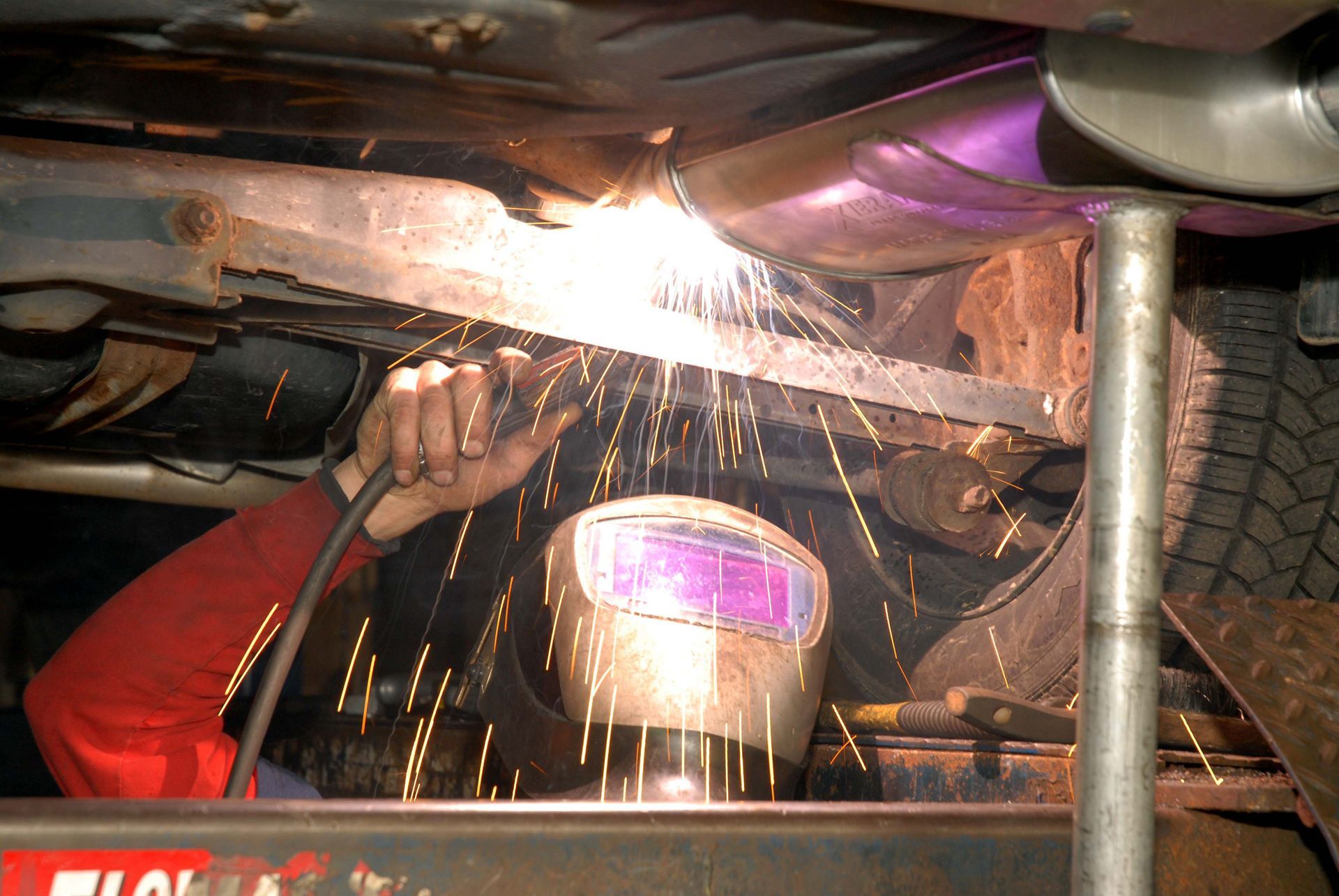
Establishing a clean breathing zone is the most vital step any shop owner can take to protect their workforce and maintain high production standards. Welding environments present unique challenges due to the concentrated release of particulate matter and gaseous byproducts. Implementing professional-grade solutions is the only reliable way to protect staff from long-term respiratory complications.
Prioritizing Proper Airflow Dynamics
Maintaining a consistent flow of air is the first pillar of any industrial ventilation strategy. When a facility integrates an exhaust extraction solution, the primary goal is to move contaminants away from the breathing zone of the technician. This requires a precise understanding of air velocity and pressure differentials to capture fumes at the source before they disperse.
The physical layout of the workshop dictates the specific requirements for these movements. High-volume systems must balance the intake of fresh air with the removal of tainted air to prevent a vacuum effect. Without this equilibrium, the efficiency of the collection hoods drops significantly, leaving hazardous materials lingering in the workspace for extended periods.
Professional systems are designed to handle the heavy-duty demands of continuous welding cycles. Unlike temporary fixes, these permanent installations provide the stability needed for high-output environments. Engineers often calculate the specific cubic feet per minute required for each station to keep the air moving at a pace that prevents stagnant pockets of smoke. Advanced fluid dynamics modeling allows designers to predict how air will move around large obstructions like workbenches or storage racks.
Evaluating High-Efficiency Filtration Media
Filtering the captured air is just as critical as the initial exhaust extraction process. Industrial welders often work with alloys that release microscopic metallic dust, which requires industrial-grade media to trap effectively. Standard HVAC filters are insufficient for these tasks, as they lack the surface area and density to catch sub-micron particles.
Modern systems utilize advanced cartridge technology or multi-stage filtration to scrub the air. These components are rated based on their ability to stop specific sizes of particulate matter, often utilizing HEPA or ULPA standards for the most sensitive operations. This level of filtration protects both the internal machinery of the system and the external environment into which air is eventually discharged.
Maintenance schedules are simplified when using high-quality filtration media. Monitoring pressure drops across the filters allows for proactive replacements, preventing system strain and energy waste. Choosing the correct filter class based on the base metal and shielding gas ensures that even the smallest toxic elements stay out of the lungs of the team. Pulse-cleaning technology can automatically dislodge dust from these filters to keep the system running at peak efficiency for longer durations.
Assessing Robust Material Construction
The durability of the ductwork and housing is a non-negotiable attribute for the welding industry. Because welding fumes can be abrasive or corrosive depending on the materials being joined, the exhaust extraction hardware must consist of heavy-gauge steel or reinforced polymers. Flimsy materials will quickly degrade under the thermal stress and chemical exposure common in metal fabrication.
Properly constructed systems feature smooth internal surfaces to prevent the accumulation of flammable dust. Any turbulence within the ducts can lead to "dead spots" where heavy particles settle, creating a fire hazard over time. Professional engineering eliminates these risks by using streamlined bends and secure joints that maintain high-velocity transport throughout the entire run.
Longevity is the hallmark of a well-built system. Investing in robust materials means the system will withstand the vibrations of heavy fans and the occasional impact from moving workpieces. High-quality finishes like powder coating or galvanization further protect the exterior of the units from the humid or harsh conditions often found in industrial shops. Industrial-grade gaskets at every connection point prevent the leakage of contaminated air back into the shop environment.
Understanding Regulatory Compliance Standards
Adhering to safety standards is a legal and ethical obligation for every shop owner. These guidelines provide the framework for what constitutes a safe working environment and how equipment must perform. According to OSHA, a ventilation setup for drawing out polluted air is characterized by the inclusion of at least two of these components: a hood or enclosure, piping, filtration or dust-collection units, a suction fan, and an outlet vent.
Meeting these specific criteria involves more than just installing a fan. It requires a holistic approach to exhaust extraction where every component works in harmony. Compliance inspectors look for verified flow rates and documented maintenance logs to verify that the system is functioning as intended to protect workers from hexavalent chromium and other toxins.
By following established regulatory paths, companies avoid the steep fines associated with air quality violations. Beyond the legalities, a compliant system serves as a badge of quality for the business. Regular testing with calibrated anemometers helps confirm that the suction levels remain within the parameters set by health and safety officials. Proper documentation of these airflow tests provides a clear paper trail for liability protection and internal safety audits.
Optimizing Ergonomic Capture Hoods
The point of capture is where the most significant impact on safety occurs. For an exhaust extraction system to be effective, the hood or arm must be positioned correctly relative to the welding arc. Modern designs prioritize ease of movement, allowing the welder to adjust the intake as they move along a large workpiece without interrupting their flow.
Ergonomic arms are counterbalanced to stay in place once positioned, reducing the physical strain on the operator. If a hood is difficult to move or fails to stay in place, it is likely to be pushed aside and ignored, rendered useless. Therefore, the mechanical design of the joints and pivots is just as important as the motor that powers the suction.
Integrated lighting and spark arrestors within the hood assembly further enhance the utility of the system. These features provide better visibility for the weld bead while simultaneously preventing hot sparks from entering the ductwork. Large bell-shaped inlets are particularly effective for wide welding zones where the technician needs a broader field of capture. Designers also consider the weight distribution of the arms to prevent them from drooping during long shifts.
Integrating Smart Control Technologies
Modern industrial environments benefit greatly from the integration of automated controls. An advanced exhaust extraction setup can be linked directly to the welding power source, activating the fans only when an arc is struck. This automation reduces energy consumption and minimizes the ambient noise in the shop when extraction is not actively required.
Variable frequency drives allow the system to scale its power based on the number of active stations. If only one welder is working in a ten-station shop, the system can ramp down to save electricity while still maintaining the necessary static pressure. This intelligent distribution of power makes the system more cost-effective over its entire operational lifespan.
Data logging is another benefit of smart integration. Management can track usage patterns and system performance through digital interfaces, so that the air quality remains within safe parameters at all times. These systems can even send alerts to mobile devices when it is time to perform routine inspections or empty the dust collection bins. Remote monitoring capabilities allow for faster troubleshooting by factory technicians without requiring an on-site visit for every minor adjustment.
Choosing the right equipment requires a deep understanding of the specific particulates and gases generated during the welding process. A high-quality exhaust extraction provides the necessary filtration and airflow to keep the environment clean. Prioritizing professional attributes over temporary fixes allows businesses to foster a culture of safety that supports long-term growth and success. To equip your shop with these high standards for safety and efficiency, contact Harvey Industries, Inc, and discover a full range of professional vehicle systems.