February 24, 2026
Air quality inside vehicle service facilities, fleet garages, and maintenance bays is a serious concern that directly impacts worker health and operational efficiency. Whenever a car engine runs indoors, it releases harmful gases and microscopic particles that can quickly accumulate in enclosed spaces. That is why car exhaust extraction systems have become an essential component of modern facility design, helping businesses maintain clean air and safer working conditions.
According to the American Lung Association's 2025 State of the Air report, over 156 million people in the US are exposed to unhealthy levels of air pollutants. While outdoor pollution often receives the most attention, indoor air contamination from idling vehicles can significantly contribute to exposure risks. Car exhaust extraction technology is specifically engineered to capture and remove emissions at the source, preventing harmful pollutants from spreading throughout a workspace.
Identifying the Harmful Components of Car Exhaust
Before understanding how car exhaust extraction systems work, it is important to recognize what they are designed to remove. Vehicle exhaust contains carbon monoxide, nitrogen oxides, hydrocarbons, and particulate matter. Carbon monoxide is particularly dangerous because it is invisible and odorless, making it difficult to detect without specialized equipment.
Particulate matter in exhaust fumes consists of tiny particles that can penetrate deep into the lungs when inhaled. Prolonged exposure to these pollutants can cause respiratory irritation, headaches, fatigue, and long-term health complications. In enclosed automotive environments, concentrations can rise rapidly if emissions are not controlled.
Car exhaust extraction systems address these dangers by removing contaminants immediately as they are produced. Instead of allowing pollutants to disperse into the general airspace, the system captures them directly at the vehicle’s tailpipe. This source-capture approach is significantly more effective than relying solely on general building ventilation.
Connecting Directly to the Tailpipe
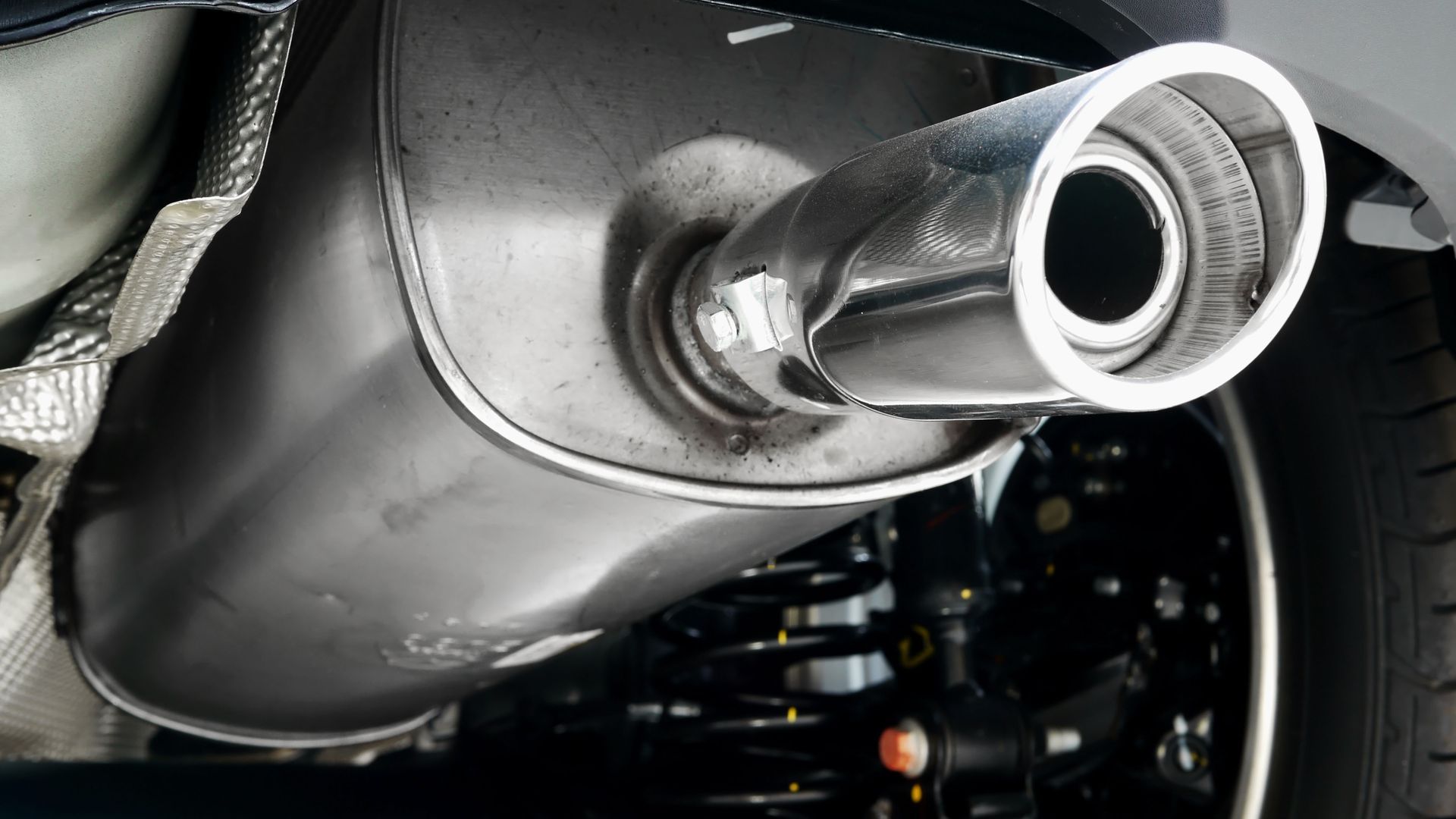
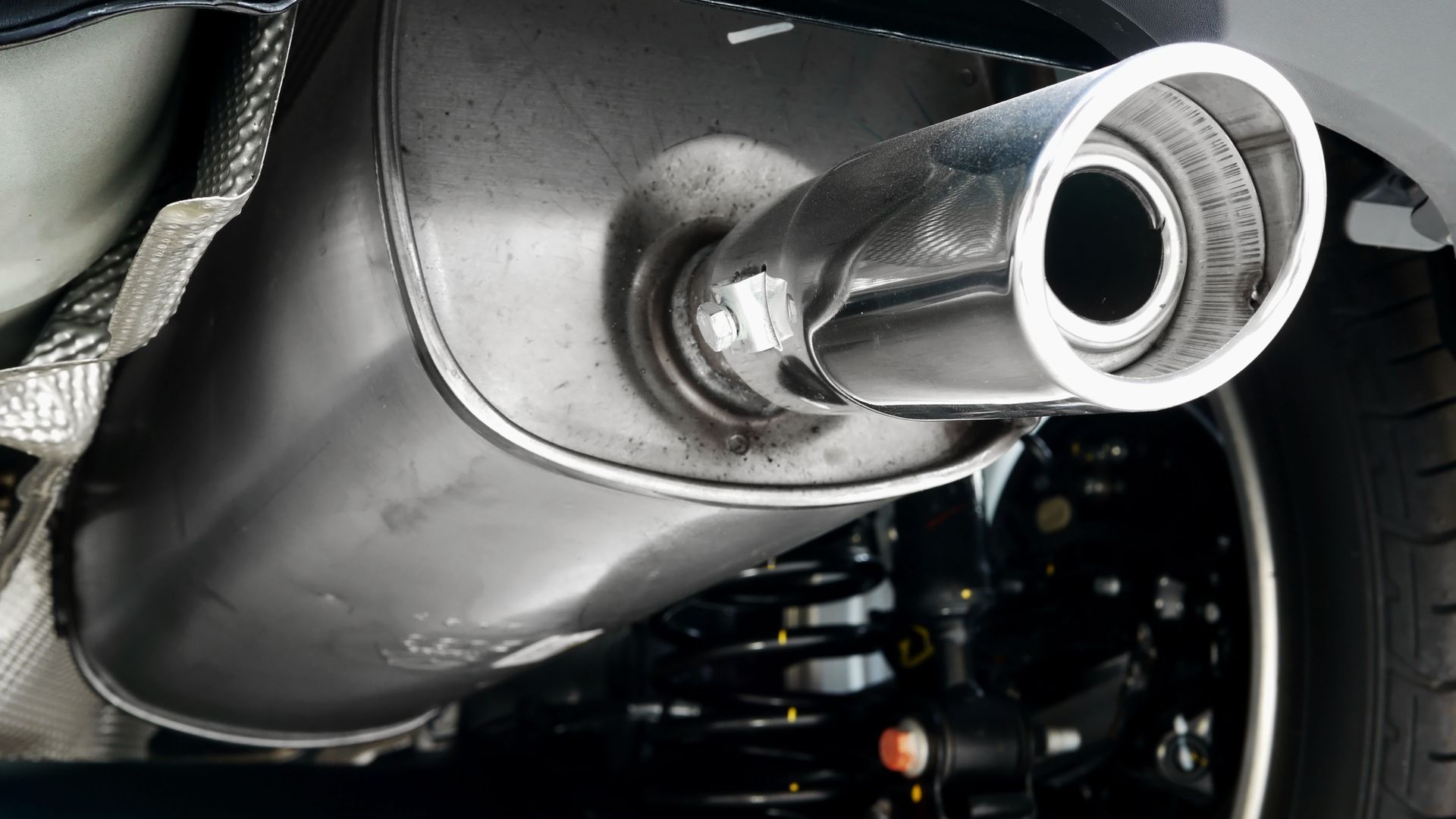
The core function of car exhaust extraction begins with physically connecting to the vehicle’s exhaust outlet. Specialized rubber or heat-resistant nozzles are positioned over or near the tailpipe to create a secure seal. This ensures that fumes are drawn into the system before they can escape into the surrounding air.
When the engine is running, a powerful fan generates negative pressure within the hose assembly. This suction pulls exhaust gases through flexible tubing connected to a larger duct network. By capturing emissions at the source, the system prevents buildup within the service bay.
Different vehicles require different nozzle designs to ensure proper fit and performance. Modern systems are adaptable, allowing facilities to service a variety of car models efficiently. This flexibility ensures consistent protection across diverse operations.
Creating Airflow with High-Efficiency Fans
High-performance fans are essential to the effectiveness of car exhaust extraction systems. These fans are engineered to produce sufficient airflow to handle varying engine sizes and exhaust volumes. Proper airflow ensures that fumes are continuously drawn away without leakage or backflow.
The fan system must be carefully calibrated to balance suction strength with energy efficiency. Too little airflow can allow contaminants to escape, while excessive airflow can waste energy. Engineers design systems to maintain consistent capture velocity for optimal performance.
In multi-bay facilities, centralized fan systems may serve several extraction points simultaneously. These configurations are designed to distribute airflow evenly and maintain consistent performance throughout the building. Reliable fan operation is critical to maintaining clean indoor air.
Transporting Contaminated Air Through Ductwork
Once exhaust fumes enter the hose assembly, they travel through a network of ductwork designed to safely transport contaminated air away from the workspace. This ducting system is typically routed along ceilings or walls to minimize interference with daily operations. The layout is customized to fit the facility’s structural design.
Duct materials must withstand elevated temperatures and corrosive elements present in vehicle exhaust. Durable construction ensures long-term reliability and reduces maintenance requirements. Proper sealing within the duct network prevents leaks that could reintroduce pollutants into the environment.
By channeling exhaust directly outside or into a filtration unit, the system ensures that contaminated air is removed efficiently. This targeted removal significantly reduces overall pollutant concentration within the building. The result is a cleaner and healthier workspace.
Incorporating Filtration and Emission Control
Some car exhaust extraction systems include advanced filtration components to further reduce environmental impact. High-efficiency particulate air filters can capture fine particles before air is discharged outdoors. This added protection is especially valuable in densely populated or regulated areas.
Certain systems also incorporate catalytic filtration technologies designed to neutralize specific gases. These innovations enhance overall emission control and align with sustainability initiatives. Facilities seeking to minimize their environmental footprint often integrate these features into their extraction systems.
Filtration does not replace source capture but enhances it. By combining immediate exhaust removal with advanced treatment, facilities achieve superior air quality results. This layered approach demonstrates a proactive commitment to health and environmental responsibility.
Automating the Extraction Process
Modern car exhaust extraction systems often feature automation to ensure consistent use. In high-volume facilities, manual connection may lead to occasional oversight. Automated systems eliminate this risk by connecting and disconnecting automatically as vehicles move in and out of service bays.
Magnetic or mechanical attachment systems align with the vehicle’s exhaust pipe as it enters the bay. When the car exits, the system disengages safely without requiring manual removal. This seamless integration improves efficiency and reduces workflow interruptions.
Automation also reinforces safety compliance. When extraction becomes a built-in part of the service process, workers are more likely to use it consistently. This ensures that air quality protection remains reliable throughout the workday.
Adapting to Different Facility Layouts
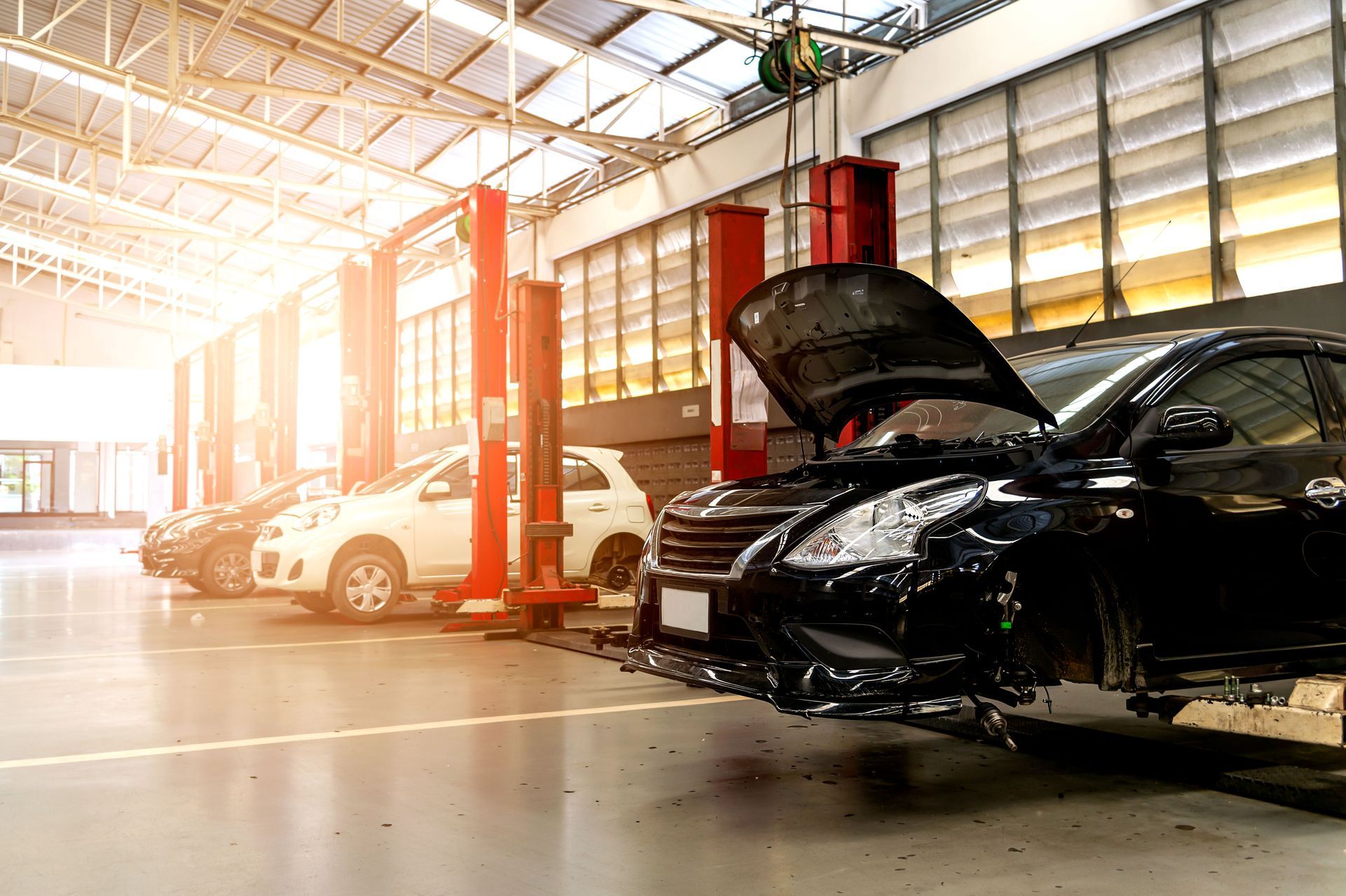
Every automotive facility has unique space constraints and operational needs. Car exhaust extraction systems are therefore designed with flexibility in mind. Overhead rail systems allow hoses to slide across bays, while retractable hose reels keep workspaces organized.
Ceiling-mounted or wall-mounted units are selected based on available space and workflow patterns. Engineers evaluate vehicle traffic, ceiling height, and bay configuration to determine optimal placement. Custom design ensures effective performance without obstructing technicians.
Scalable systems can expand alongside growing operations. As additional service bays are added, extraction networks can be extended to accommodate increased demand. This adaptability protects the long-term value of the investment.
Maintaining Compliance and Worker Health
Occupational health regulations require employers to limit worker exposure to harmful airborne contaminants. Car exhaust extraction systems play a vital role in meeting these standards. By capturing emissions at the source, facilities reduce the risk of regulatory violations and penalties.
Cleaner indoor air directly contributes to employee well-being. Workers exposed to fewer pollutants experience less respiratory irritation and fatigue. Improved air quality can enhance focus, productivity, and overall job satisfaction.
Maintaining compliance is not only about avoiding fines but also about demonstrating responsibility. Businesses that prioritize air quality show commitment to employee safety and community health. This reputation can positively influence client relationships and business growth.
Supporting Long-Term Environmental Responsibility
Beyond immediate workplace benefits, car exhaust extraction systems contribute to broader environmental goals. By preventing indoor emissions from dispersing uncontrolled, facilities reduce their overall pollution footprint. This proactive approach aligns with sustainability efforts across industries.
Energy-efficient fan systems and filtration technologies further enhance environmental performance. Modern designs prioritize both protection and operational efficiency. Over time, these systems help organizations balance productivity with environmental stewardship.
Investing in car exhaust extraction reflects a forward-thinking approach to facility management. As air quality concerns continue to grow, businesses that adopt effective emission control systems position themselves as responsible industry leaders. For expertly engineered car exhaust extraction solutions tailored to your facility’s needs, Harvey Industries, Inc delivers dependable systems designed to keep indoor air clean and operations safe—contact the team today to learn more.