December 18, 2025
Exhaust extraction systems play a vital role in maintaining safe, clean, and compliant indoor environments across a wide range of industries. From manufacturing facilities and fire stations to automotive service centers and industrial plants, these systems are designed to actively remove harmful fumes, gases, and particulates from the air before they can accumulate. By addressing airborne contaminants at the source, professional solutions help protect employees, equipment, and the surrounding environment while supporting regulatory compliance.
Modern workplaces face increasing expectations related to health, safety, and environmental responsibility. Poor air quality can negatively impact productivity, increase maintenance costs, and expose organizations to regulatory risk. Exhaust extraction systems are engineered to address these concerns through proven technologies, thoughtful design, and ongoing performance optimization. When installed and maintained by experienced providers, they become a long-term asset that supports both operational efficiency and employee well-being.
Understanding how these systems function, what technologies they rely on, and why professional installation matters allows organizations to make informed decisions. A well-designed solution is not simply a mechanical necessity; it is a strategic investment in safety, compliance, and workplace quality that delivers measurable benefits over time.
Understanding The Purpose And Value Of These Systems
The primary purpose of exhaust extraction systems is to capture and remove hazardous airborne byproducts before they disperse into occupied spaces. Combustion engines, industrial processes, and specialized equipment often generate fumes and particulates that pose serious health risks if left unmanaged. By intercepting pollutants at or near their source, these systems significantly reduce exposure and create safer working conditions.
Professionally designed exhaust extraction systems are tailored to the specific layout, workflow, and emission profile of a facility. This customization ensures that contaminants are removed efficiently without disrupting operations. Instead of relying on general ventilation alone, targeted extraction provides precise control over air quality, which is especially important in environments where emissions are frequent or concentrated.
Beyond health protection, these systems also contribute to operational reliability. Cleaner air reduces residue buildup on equipment, minimizes corrosion, and supports longer service life for sensitive components. When viewed holistically, exhaust extraction systems offer value that extends well beyond basic compliance.
Core Components That Work Together Effectively
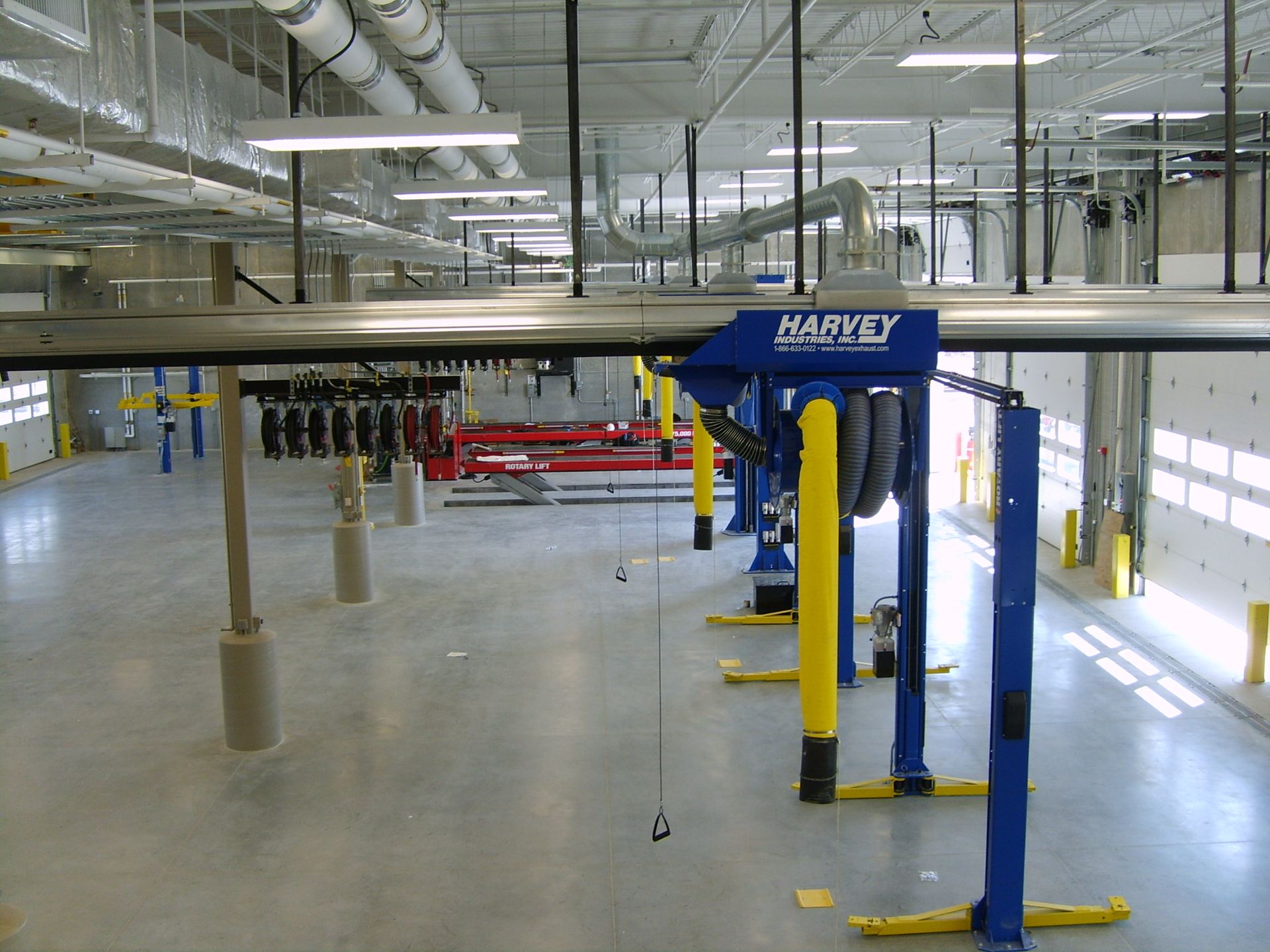
Every exhaust extraction solution is made up of several interconnected components that must operate in harmony. Capture devices, such as hoods or direct-connect hoses, are positioned to collect emissions as soon as they are produced. These components are engineered to maximize capture efficiency while accommodating real-world workflows.
Ductwork serves as the transport pathway, moving contaminated air away from occupied areas. Proper duct design is critical, as poor routing or sizing can reduce system effectiveness. Fans and blowers provide the necessary airflow to maintain consistent extraction, while filtration elements remove particulates and harmful compounds before air is discharged or treated further.
When exhaust extraction systems are designed and installed by experienced professionals, each component is selected and integrated to support overall performance. This systems-based approach ensures reliability, efficiency, and long-term effectiveness.
The Health And Safety Benefits For Workers
One of the most significant advantages of exhaust extraction systems is their direct impact on occupational health. Airborne pollutants, particularly fine particulates, can penetrate deep into the respiratory system and contribute to both short-term irritation and long-term health conditions. Effective extraction dramatically lowers these risks by removing contaminants before inhalation occurs.
According to FireRescue1, in excess of 90% diesel exhaust particulates are less than 1 micrometer in diameter, meaning nearly all of these particles are small enough to travel deep into the lungs or enter the bloodstream. This highlights why high-performance exhaust extraction systems are essential in environments where diesel engines or similar equipment operate regularly.
When employees feel confident that their workplace prioritizes air quality and safety, morale and productivity often improve. A professional solution demonstrates organizational commitment to employee well-being while helping reduce absenteeism and health-related disruptions.
Different System Designs For Different Environments
No two facilities are exactly alike, which is why exhaust extraction systems are available in multiple configurations. Localized systems focus on capturing emissions directly at the source, making them ideal for workstations, vehicle bays, or specific processes. These systems provide targeted control and high efficiency where emissions are predictable.
Centralized systems, by contrast, serve multiple capture points through a shared duct network. They are often used in larger facilities where emissions occur across several areas. Portable solutions offer flexibility for temporary setups or evolving workflows, allowing facilities to adapt without major infrastructure changes.
Professional providers assess each environment carefully to determine the most effective configuration. By aligning system design with operational needs, exhaust extraction systems deliver consistent performance without unnecessary complexity.
Advanced Filtration And Air Cleaning Technologies
Filtration plays a critical role in the performance of exhaust extraction systems. Modern filters are engineered to capture extremely fine particles while maintaining airflow efficiency. Depending on the application, systems may incorporate high-efficiency particulate filters, activated carbon media, or multi-stage filtration assemblies.
Advanced filtration ensures that captured air is treated thoroughly before release, reducing environmental impact and supporting compliance with emissions standards. In many cases, filtration technologies are selected based on the specific contaminants present, ensuring optimal protection.
By investing in professionally specified filtration solutions, organizations ensure that their exhaust extraction systems remain effective even as air quality expectations become more stringent.
Managing Airflow For Consistent Performance
Airflow management is central to the effectiveness of exhaust extraction systems. Properly balanced airflow ensures that contaminants are captured quickly and transported efficiently through the system. Poor airflow can lead to incomplete capture, energy waste, or uneven performance.
Professional designs account for duct length, pressure loss, and fan capacity to maintain consistent extraction across all operating conditions. Variable-speed drives and automated controls further enhance performance by adjusting airflow based on real-time demand.
This level of precision helps exhaust extraction systems operate efficiently while minimizing energy consumption, making them both effective and economical over the long term.
Reducing Noise While Maintaining Efficiency
Noise control is an important consideration in modern exhaust extraction systems. Excessive noise can distract workers and contribute to fatigue, even when air quality is well managed. Professional solutions incorporate sound-reducing technologies to maintain a comfortable work environment.
Acoustic insulation, vibration isolation, and low-noise fan designs are commonly used to reduce operational sound levels. These features allow systems to run continuously without disrupting daily activities.
By addressing noise as part of the overall design, exhaust extraction systems deliver comprehensive workplace improvements rather than solving one problem at the expense of another.
Energy Efficiency And Long-Term Cost Control
Energy efficiency has become a defining feature of modern exhaust extraction systems. Efficient motors, optimized duct layouts, and intelligent controls reduce power consumption while maintaining high extraction performance. This balance supports sustainability goals without compromising safety.
Many systems also incorporate heat recovery or controlled air replacement strategies that reduce the burden on heating and cooling equipment. Over time, these efficiencies translate into meaningful operational savings.
When specified by knowledgeable professionals, exhaust extraction systems provide a strong return on investment through reduced energy costs and extended equipment life.
Professional Installation And Ongoing Support
Proper installation is essential to the success of exhaust extraction systems. A thorough site evaluation ensures that system components are positioned correctly and integrated seamlessly with existing infrastructure. Professional installers follow best practices that support both performance and safety.
Ongoing maintenance and performance monitoring help ensure that systems continue operating as intended. Regular inspections, filter replacement, and system tuning preserve efficiency and extend service life.
Partnering with an experienced provider ensures that exhaust extraction systems remain reliable, compliant, and effective throughout their lifecycle.
By choosing a professionally designed and supported solution, organizations gain confidence that their air quality challenges are being addressed comprehensively and responsibly. For expert guidance, proven solutions, and dependable service, contact Harvey Industries, Inc.