January 5, 2026
Vehicle exhaust extraction systems play a vital role in protecting air quality, public health, and workplace safety across a wide range of environments. From automotive repair facilities and inspection stations to industrial testing sites and fleet maintenance centers, these systems serve as a frontline defense against harmful exhaust emissions. As environmental awareness continues to grow and regulatory standards become more stringent, the importance of proper exhaust management has become impossible to ignore.
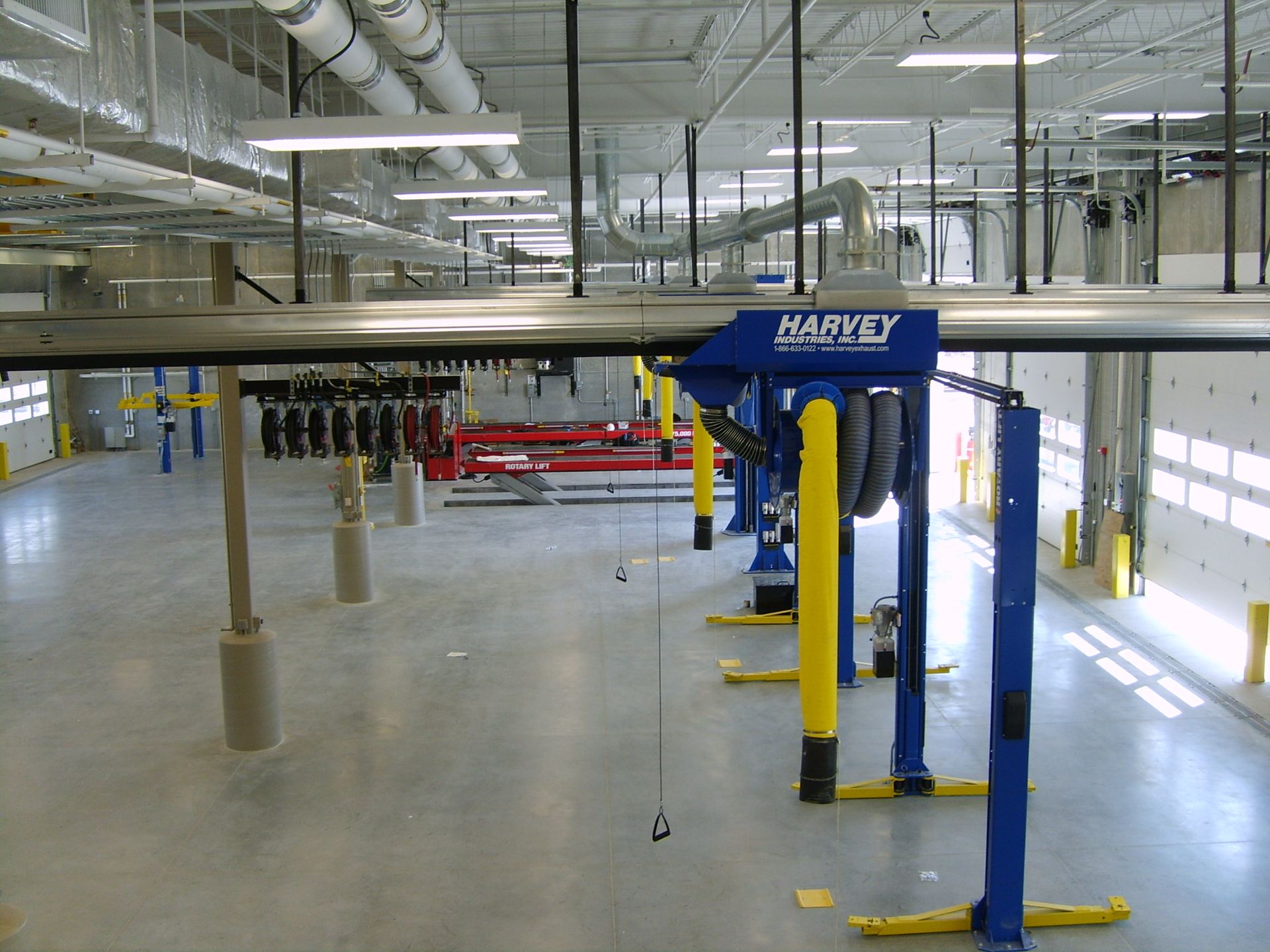
Uncontrolled vehicle emissions introduce dangerous pollutants into enclosed and open-air environments. These pollutants can accumulate quickly, particularly in service bays or garages where engines run frequently. Vehicle exhaust extraction systems address this challenge by capturing emissions directly at the source, preventing them from dispersing into the surrounding air. This targeted approach significantly reduces exposure risks for workers, customers, and nearby communities.
Beyond immediate safety concerns, these systems also support long-term environmental sustainability. Advances in exhaust extraction technology have improved efficiency, adaptability, and energy usage, making modern systems more effective than ever before. As vehicles continue to evolve, emission control within service and operational environments remains a critical responsibility.
Environmental Impact
Reduction of Air Pollution
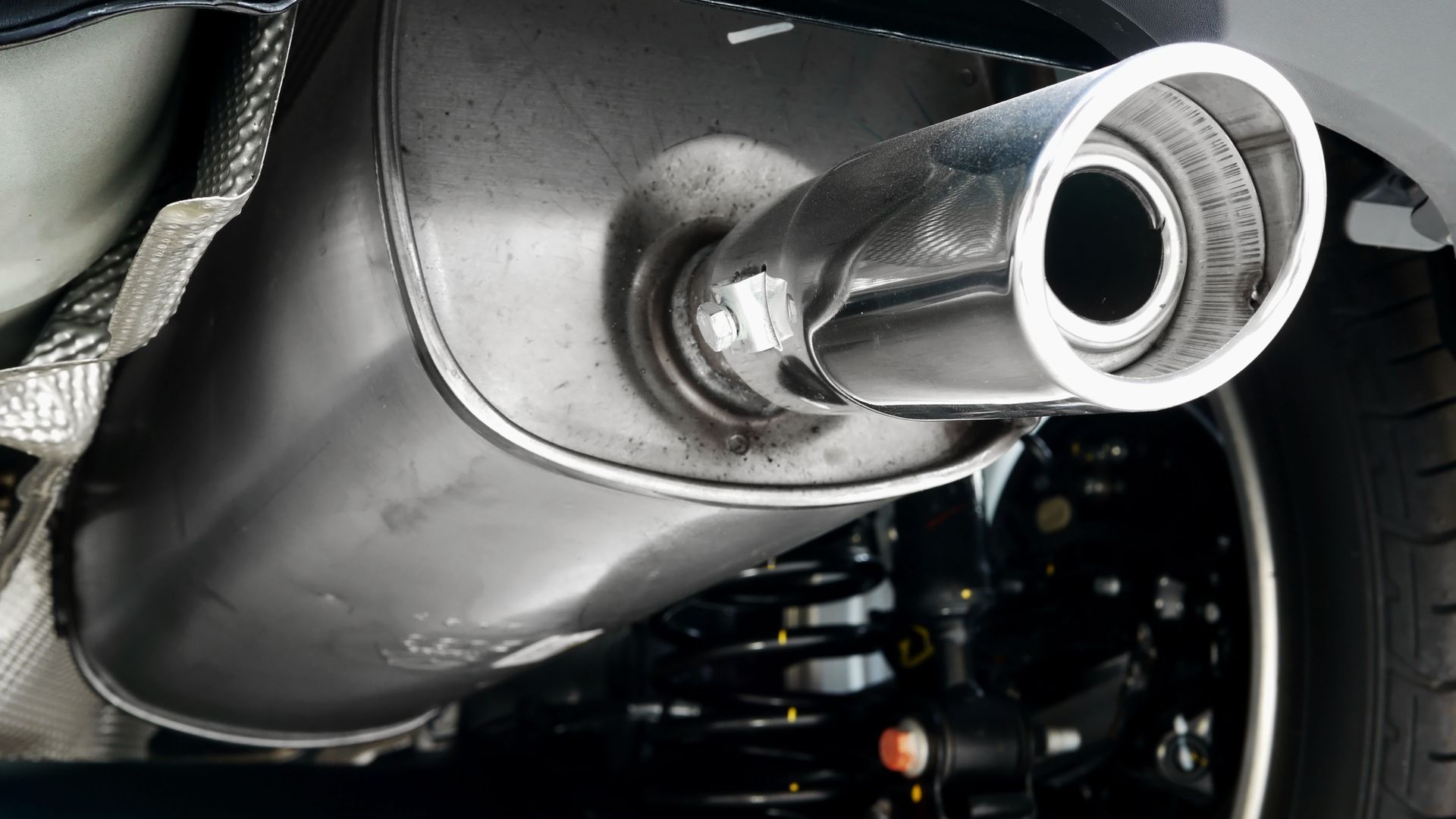
Vehicle exhaust extraction systems significantly reduce air pollution by capturing harmful emissions at the source before they are released into the surrounding environment. Exhaust gases contain pollutants such as nitrogen oxides, hydrocarbons, carbon monoxide, and fine particulate matter, all of which contribute to air quality degradation when left unmanaged.
According to the EPA, new passenger vehicles are at least 98% cleaner for most tailpipe pollutants than those of the 1960s, highlighting how emission controls and supporting technologies have dramatically improved air quality over time. Vehicle exhaust extraction systems complement these advancements by managing emissions in service bays, testing facilities, and enclosed workspaces where exhaust can quickly accumulate.
Cleaner air reduces smog formation, lowers toxin concentrations, and supports healthier urban and industrial environments. By limiting the release of harmful pollutants, these systems play an active role in protecting air quality at both the local and regional levels.
Combating Climate Change
While vehicle exhaust extraction systems are not designed to eliminate greenhouse gas emissions entirely, they contribute meaningfully to broader climate initiatives by reducing unnecessary exhaust release during maintenance, diagnostics, and testing. Every reduction in unmanaged emissions supports long-term climate goals.
These systems help organizations demonstrate environmental responsibility while continuing essential operations. By controlling exhaust output during idle and operational periods, facilities can lower their overall emissions footprint and align daily practices with sustainability commitments.
Preservation of Natural Ecosystems
Airborne pollutants can settle into soil, waterways, and vegetation, disrupting ecosystems and harming wildlife. Vehicle exhaust extraction systems help prevent these pollutants from entering the environment, particularly in areas close to industrial or urban centers.
By reducing localized pollution, these systems support healthier ecosystems and contribute to long-term environmental balance. Cleaner air allows plant and animal life to thrive while minimizing the cumulative impact of industrial activity on surrounding habitats.
Environmental Regulations Compliance
Environmental regulations increasingly require strict control over emissions, particularly in enclosed or high-traffic environments. Vehicle exhaust extraction systems play a critical role in helping facilities meet these requirements consistently.
Regulatory agencies enforce emission limits to protect both environmental and public health. Facilities that invest in compliant extraction systems reduce the risk of fines, inspections, and operational disruptions while demonstrating proactive environmental stewardship.
Energy Sustainability
Modern vehicle exhaust extraction systems are designed with efficiency in mind. Advanced airflow management, improved sealing, and energy-conscious components reduce power consumption without sacrificing performance.
Energy-efficient operation supports sustainability initiatives while helping facilities manage operating costs. Over time, reduced energy usage contributes to lower environmental impact and improved resource management.
Public Health Concerns
Reduction in Respiratory Issues
Exposure to vehicle exhaust is closely linked to respiratory conditions such as asthma, chronic bronchitis, and reduced lung function. In enclosed spaces, even short-term exposure can create hazardous conditions.
Vehicle exhaust extraction systems reduce airborne contaminants by capturing exhaust gases before they circulate. This leads to improved air quality, fewer respiratory symptoms, and healthier working environments.
Prevention of Cardiovascular Problems
Exhaust pollutants such as carbon monoxide and fine particulates are known contributors to cardiovascular disease. Prolonged exposure increases the risk of heart-related conditions.
By limiting exposure through effective exhaust capture, vehicle exhaust extraction systems help reduce these risks and support long-term cardiovascular health for workers and nearby populations.
Workplace Safety
In automotive and industrial settings, employee safety depends heavily on air quality. Without proper exhaust management, workers face increased risks from prolonged exposure to toxic fumes.
Vehicle exhaust extraction systems create safer workspaces by removing harmful gases, supporting compliance with occupational safety standards, and promoting healthier daily working conditions.
Improved Urban Air Quality
Urban areas experience elevated pollution levels due to traffic density and industrial activity. Service facilities that use vehicle exhaust extraction systems help prevent additional emissions from entering city air.
This localized control supports broader urban air quality initiatives and contributes to healthier, more livable cities.
Allergy and Asthma Relief
Pollutants found in exhaust emissions can trigger allergies and asthma symptoms. Reducing airborne irritants leads to noticeable improvements in comfort and health for sensitive individuals.
Cleaner indoor air environments help reduce symptom frequency and improve overall quality of life.
Technological Advancements
Smart Extraction Systems
Smart vehicle exhaust extraction systems use sensors and automated controls to adjust performance based on real-time conditions. This allows systems to respond dynamically to changes in exhaust volume.
Predictive maintenance capabilities reduce downtime and help identify issues before they escalate, improving long-term reliability.
Integration with IoT
IoT-enabled systems provide real-time performance data and remote monitoring capabilities. Facility managers can track airflow, efficiency, and maintenance needs from centralized platforms.
This connectivity improves operational visibility and supports proactive system management.
Materials and Design Innovations
Advances in materials science have led to lighter, more durable components that improve system lifespan. Modular designs simplify installation and maintenance.
Improved design also enhances airflow efficiency, reducing strain on motors and fans.
Energy-Efficient Systems
Energy efficiency remains a key focus in modern vehicle exhaust extraction systems. Variable-speed drives and optimized airflow paths reduce unnecessary energy use.
This efficiency supports cost control while maintaining reliable exhaust capture.
Future Trends
Future developments may include AI-driven diagnostics, self-cleaning filters, and integration with alternative energy sources. As vehicle technology evolves, extraction systems will continue adapting.
Ongoing innovation will keep these systems relevant and essential.
Installation and Maintenance
Installation Best Practices
Proper installation is critical for effective exhaust capture. System design should account for vehicle types, exhaust volume, and workspace layout.
Correct placement and configuration maximize performance and system longevity.
Cost-Effectiveness
While initial installation costs may be significant, long-term savings from reduced energy use, improved safety, and regulatory compliance often outweigh upfront investment.
Vehicle exhaust extraction systems offer strong long-term value.
Handling System Failures
Early detection of issues minimizes disruption. Monitoring tools and trained personnel support rapid response.
Effective failure management protects operations and compliance.
Vehicle exhaust extraction systems are essential for protecting air quality, safeguarding public health, and maintaining regulatory compliance. Their role in workplace safety, environmental responsibility, and operational efficiency makes them a critical investment for modern facilities. As technology continues to advance, these systems will remain central to cleaner environments, healthier communities, and sustainable long-term operations. Looking for vehicle exhaust extraction systems? Visit Harvey Industries, Inc today.