May 19, 2026
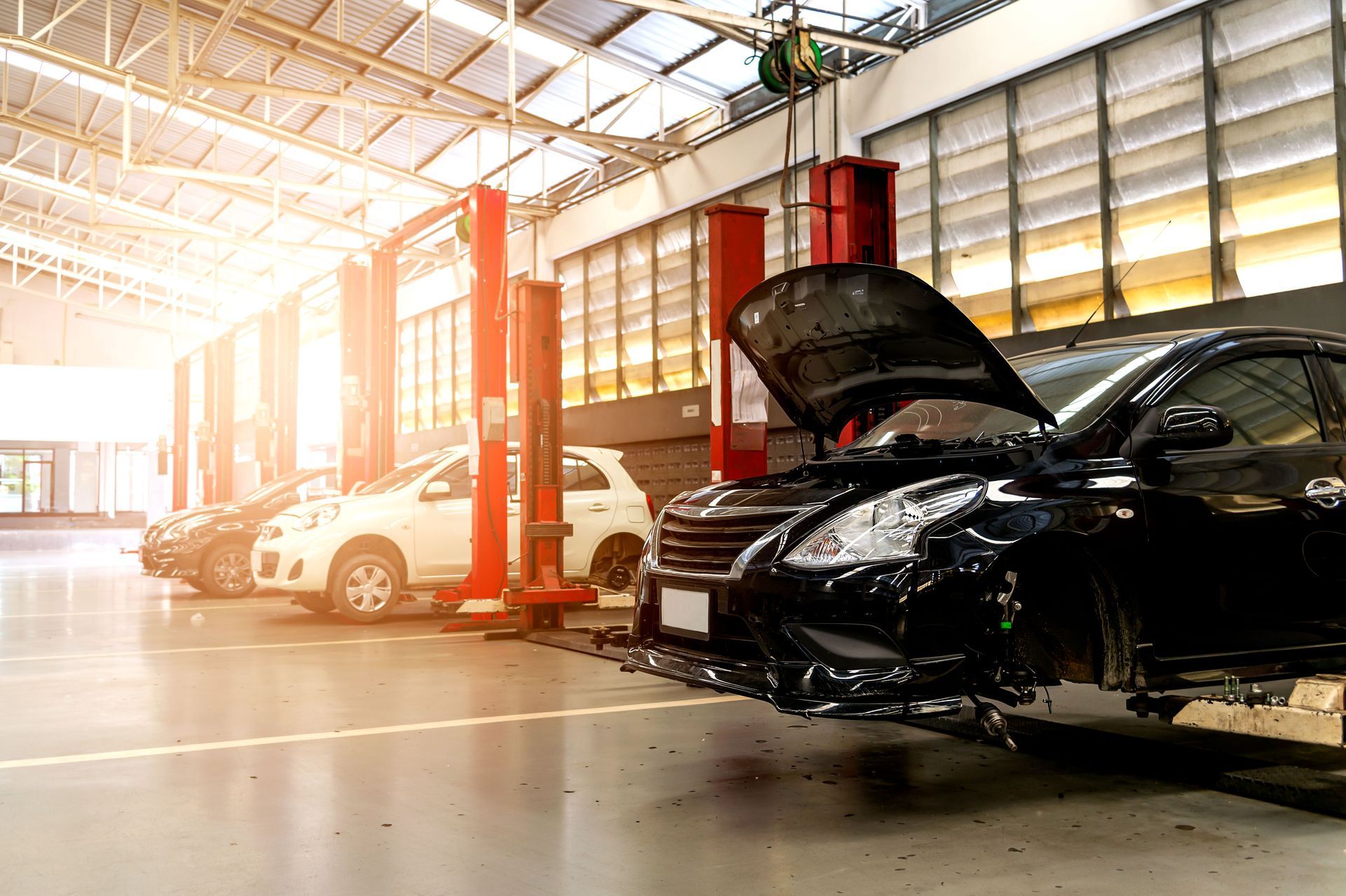
Work environments where vehicles are started, idled, or tested can quickly accumulate exhaust gases that are not always visible but can be consistently present in the air. These emissions contain a mix of compounds that can gradually affect air quality and worker wellbeing. For facilities that regularly handle running engines or heavy-duty equipment, controlling these emissions is not optional; it is a core part of maintaining safe operational conditions.
According to the Oriental Journal of Chemistry, a person inhales between 15,000 and 20,000 liters of air each day on average. In other words, even relatively low concentrations of airborne contaminants, when continuously inhaled through polluted air, can negatively influence health and may contribute to the development of various diseases. This reality underscores why engineered airflow control in industrial settings must be taken seriously, especially in environments where engine exhaust is present.
Modern vehicle exhaust extraction systems are designed to address this challenge at its source by capturing fumes before they disperse. Understanding how these systems function requires a closer look at airflow behavior, pressure differentials, and capture efficiency within confined industrial environments.
Scientific Principles Behind Vehicle Exhaust Capture Systems
Airflow Behavior and Contaminant Movement in Enclosed Spaces
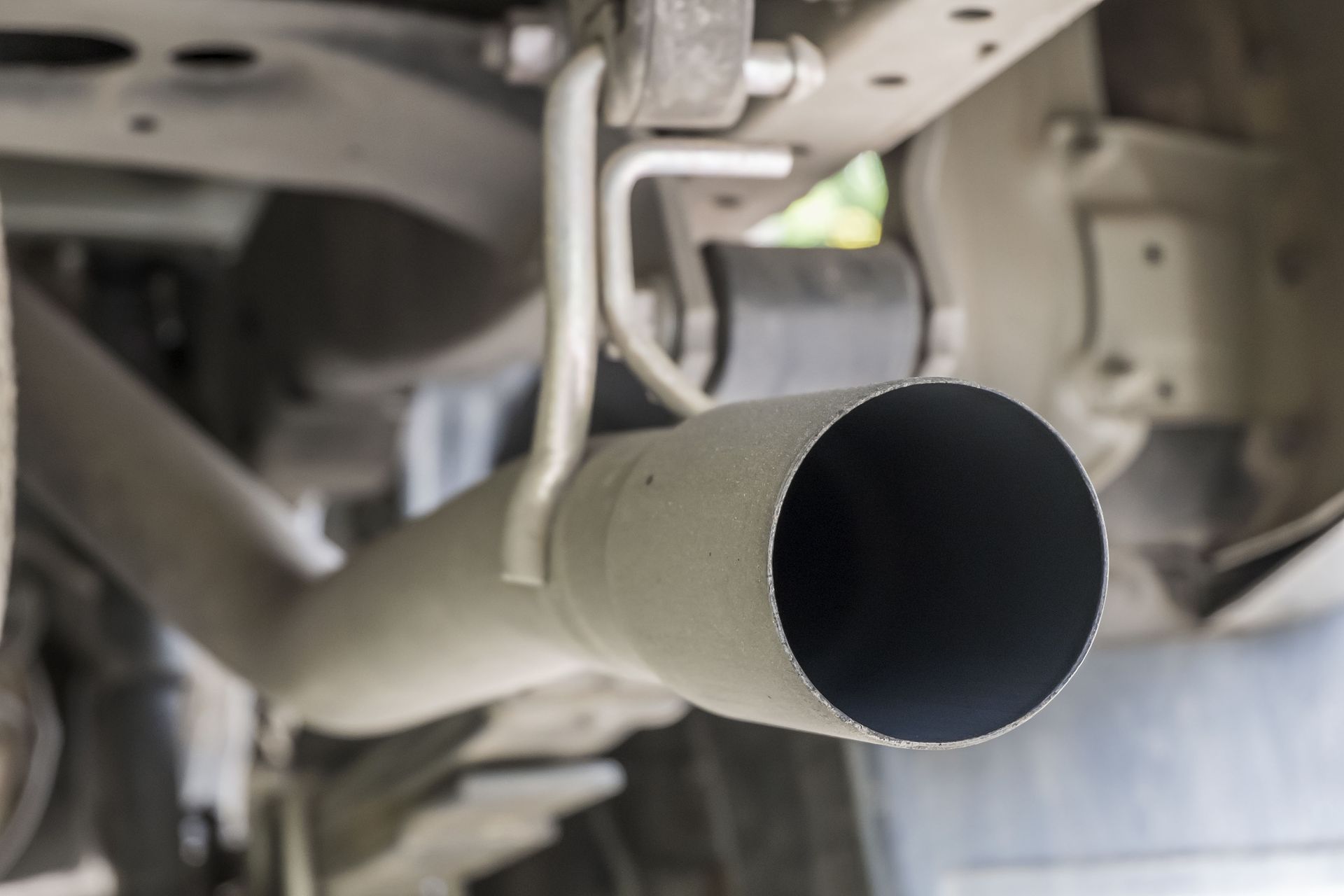
The foundation of any exhaust extraction system lies in understanding how gases move once released into a confined or semi-confined environment. Exhaust emissions are hot, buoyant, and highly dynamic. As they leave a tailpipe, they initially rise due to thermal lift, then disperse outward as they cool and mix with the surrounding air. Without controlled capture, this movement allows contaminants to spread quickly beyond the immediate source.
A properly engineered vehicle exhaust extraction system uses controlled airflow to counteract this natural dispersion. By creating a directional pull at or near the emission point, the system establishes a localized zone where exhaust is immediately captured. This prevents dilution into the broader workspace atmosphere and significantly reduces overall contaminant concentration.
In facilities where multiple engines may operate simultaneously, airflow interactions become even more complex. Exhaust plumes can overlap, merge, and circulate unpredictably. This is why system design must account not only for single-source capture but also for multi-source airflow dynamics, ensuring that extraction remains effective even under high-load conditions.
Pressure Differential Mechanics in Exhaust Capture
At the core of vehicle exhaust extraction performance is the concept of pressure differential. Air naturally moves from areas of higher pressure to lower pressure, and this principle is used to draw exhaust gases into capture points. By generating a controlled low-pressure zone at the extraction inlet, the system effectively pulls emissions away from the vehicle and into ducted pathways.
This pressure-driven movement must be carefully balanced. If suction is too weak, exhaust escapes into the environment. If it is too strong without proper control, it may disrupt engine performance or reduce capture efficiency by pulling in excess ambient air. The engineering challenge lies in maintaining stable negative pressure at the capture point while ensuring consistent airflow throughout the system.
In a well-calibrated exhaust extraction setup, pressure gradients are distributed across the entire system, from capture hoods to ducting to exhaust discharge points. This ensures that emissions are not only captured but also transported efficiently out of the facility without re-entering occupied spaces.
System Design Elements That Enable Effective Fume Removal
Capture Point Engineering and Hose Interface Design
One of the most critical components of any vehicle exhaust extraction system is the capture interface. This is the point where exhaust gases are first intercepted. It must be flexible enough to accommodate different vehicle types while maintaining a secure seal around the emission source.
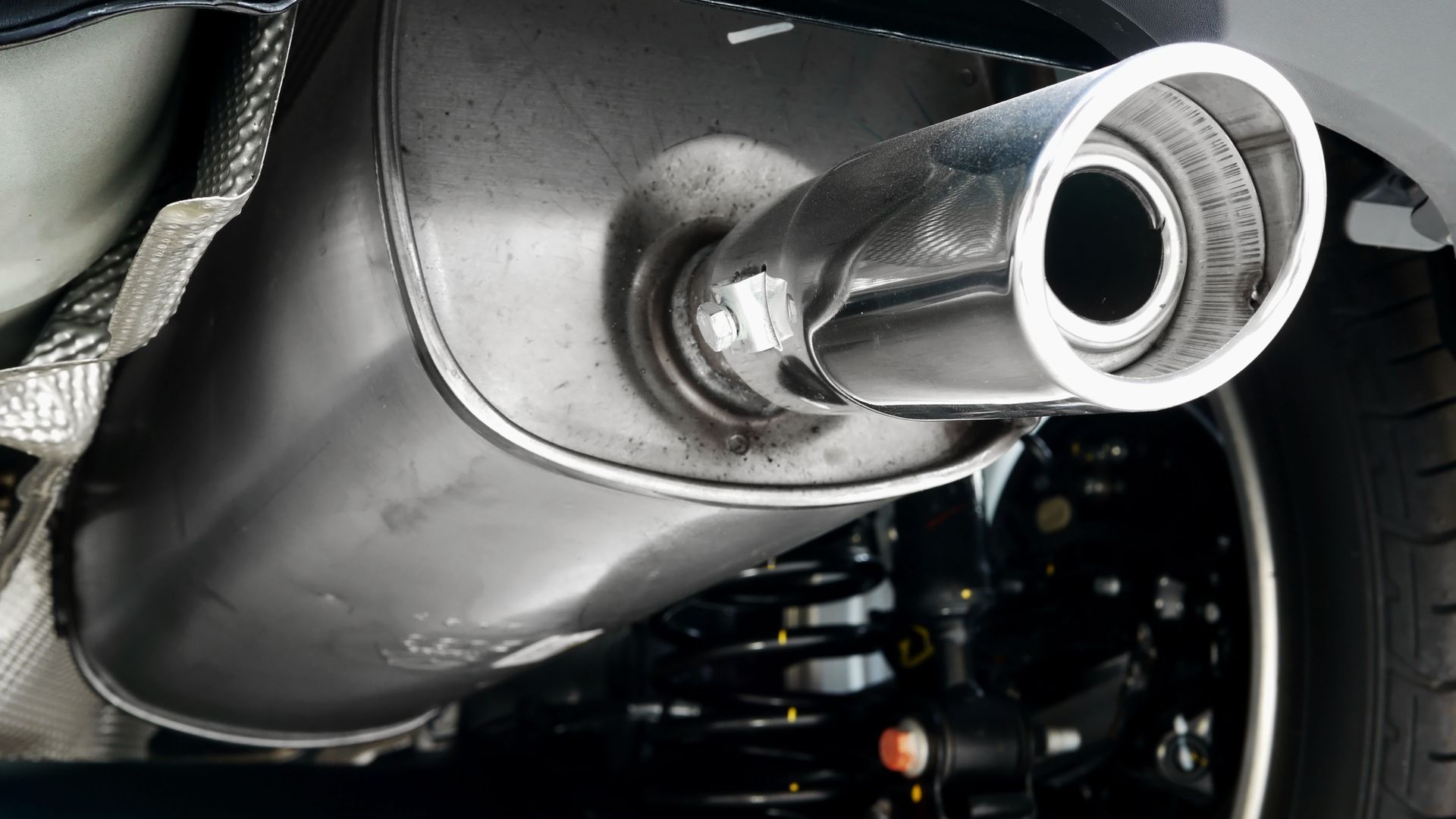
Capture points are often equipped with heat-resistant hoses and adapters that connect directly to tailpipes. These components are designed to withstand high temperatures while maintaining structural integrity under continuous use. In a typical exhaust extraction configuration, these interfaces must also allow for quick positioning and repositioning as vehicles move through service bays or testing areas.
Proper sealing at the capture point is essential. Even small gaps can allow exhaust to escape into the environment, reducing overall system efficiency. For this reason, many designs incorporate adaptable rubber or metal fittings that conform to varying exhaust outlet shapes and sizes.
Ducting Pathways and Air Transport Efficiency
Once captured, exhaust must be transported away from the source through a network of ducts. The design of these pathways directly affects system performance. Smooth internal surfaces, minimal directional changes, and optimized diameter sizing all contribute to maintaining consistent airflow.
A well-designed vehicle exhaust extraction duct system reduces turbulence and prevents the buildup of contaminants along internal walls. This is important not only for efficiency but also for long-term system reliability. Excessive resistance within ducting can reduce suction at the capture point, compromising overall performance.
In larger facilities, ducting networks may span significant distances, requiring careful balancing of airflow rates. Each segment of the system must be calibrated to ensure that pressure remains stable from the capture point to the final exhaust discharge.
Health Protection and Air Quality Management in Industrial Spaces
Air Quality Stability and Facility-Wide Contaminant Control
Maintaining consistent air quality in industrial environments requires more than localized capture. It demands a coordinated approach to airflow management across the entire facility. When exhaust is effectively controlled at the source, overall air quality becomes more stable and predictable.
A vehicle exhaust extraction system contributes to this stability by preventing the formation of contaminant hotspots. Without such control, exhaust can accumulate in corners, low-ventilation areas, or near workstations, creating uneven exposure conditions throughout the facility.
By ensuring that emissions are continuously removed, the system supports a more uniform air distribution pattern. This allows ventilation systems to function more effectively and reduces the likelihood of localized buildup of harmful gases.
Operational Safety and Long-Term Environmental Control
Beyond immediate health considerations, exhaust management also plays a role in maintaining long-term operational safety. Prolonged exposure to corrosive or particulate-laden air can affect equipment performance, reduce service life, and increase maintenance demands.
A properly designed vehicle exhaust extraction setup helps mitigate these risks by limiting the spread of contaminants throughout the facility. This not only protects personnel but also preserves the integrity of tools, machinery, and structural components.
Over time, controlled air environments contribute to more predictable operational conditions. Equipment operates under cleaner conditions, maintenance intervals become more stable, and overall facility performance improves due to reduced environmental stressors.
Understanding how exhaust behaves and how it can be controlled is essential for any facility that operates vehicles indoors or in semi-enclosed environments. The science behind capturing and removing emissions is rooted in airflow dynamics, pressure control, and thermal behavior, all of which must be carefully balanced to achieve effective results.
A well-designed vehicle exhaust extraction system does more than remove visible fumes. It actively shapes the air environment within a facility, ensuring that contaminants are intercepted before they can spread. This controlled approach to air management supports safer working conditions and more consistent operational performance.
When emissions are not properly managed, they become part of the breathing environment, and even low concentrations can accumulate over time. By contrast, engineered capture systems reduce this exposure at its source, helping maintain cleaner and more stable air quality throughout the workspace. If you're looking for high-quality exhaust extraction solutions for your workplace, be sure to contact Harvey Industries, Inc!